
 749,500 Certificates Issued
 24/7 Online Course
 Money Back Guarantee
 Fully Accredited Course
Ireland's comprehensive Working at Heights safety training for construction, maintenance, and industrial workers. Our CPD Certified online course covers fall protection, ladder safety, scaffolding, harness use, risk assessment, and HSA compliance. Essential for anyone working above 2 metres. Get your instant digital certificate in just 45 minutes. Valid for 3 years and accepted by employers nationwide.
Start Course NowWorking at Heights Training in Ireland is a fundamental legal requirement for anyone whose job involves working above ground level. Falls from height remain the leading cause of workplace fatalities in Ireland, accounting for approximately 30% of all fatal workplace accidents each year. Under the Safety, Health and Welfare at Work (General Application) Regulations 2007 and enforced by the Health and Safety Authority (HSA), employers must ensure that any work at height is properly planned, appropriately supervised, and carried out by competent persons who have received adequate training. Our comprehensive Working at Heights course provides this essential training in an accessible online format.
Ireland's construction sector, infrastructure projects, manufacturing facilities, agricultural operations, and maintenance activities all involve significant work at height. From construction workers on building sites to window cleaners, from warehouse operatives on elevated platforms to telecommunications engineers on masts, countless Irish workers face the hazards of working above ground level every day. The consequences of inadequate training are severe – falls from height cause life-changing injuries including spinal damage, fractures, head injuries, and death. Our Working at Heights Course Ireland equips workers with the knowledge they need to work safely at height and return home to their families every day.
The Health and Safety Authority conducts regular inspections of Irish workplaces where work at height occurs, and evidence of staff training is a fundamental requirement during these inspections. Employers who cannot demonstrate that workers have received appropriate working at height training face enforcement action, improvement notices, prohibition notices that halt work immediately, substantial fines, and potential prosecution. In the event of a fall-related accident, lack of training can result in personal injury claims, invalidation of insurance policies, and criminal prosecution of company directors and managers. Our certification provides documented proof of competency that helps protect workers and satisfies HSA requirements.
The Working at Heights Certificate Ireland you receive upon completion is CPD Certified by the CPD Certification Service and meets all requirements established by the Health and Safety Authority for working at height awareness training. This accreditation ensures your certificate is recognised and accepted across Ireland's construction industry, maintenance contractors, facilities management companies, manufacturing plants, and all sectors where work at height is performed. Whether you're working on construction sites in Dublin, wind farms in Donegal, industrial facilities in Cork, or any location across Ireland, our certification provides the safety credentials you need for compliance and career advancement.
Working at Heights training is essential for anyone who works above 2 metres or in situations where a fall could cause injury. Many Irish industries require this certification.
Ireland's thriving construction industry, delivering housing, commercial buildings, and infrastructure projects nationwide, relies heavily on work at height. Construction workers from groundworkers to roofers, scaffolders to steel fixers, need comprehensive understanding of fall protection. Working on scaffolding, ladders, roofs, structural frameworks, and mobile elevated work platforms (MEWPs) all require proper training. Our course covers the risks specific to construction environments and the control measures that prevent falls on Irish building sites.
Building maintenance workers across Ireland regularly work at height – cleaning windows, maintaining gutters, repairing roofs, servicing air conditioning units, and changing light fittings. Facilities management companies need their staff trained in working at height safety before undertaking tasks on ladders, access equipment, or roof areas. Many maintenance tasks appear routine but carry significant fall risks if proper precautions aren't taken. Our training helps maintenance workers identify hazards and use equipment safely.
Ireland's manufacturing and logistics sectors involve extensive work at height. Warehouse operatives using order picking trucks and high-level storage systems, production workers on elevated platforms and mezzanine floors, and maintenance engineers servicing equipment at height all need proper training. Understanding the specific hazards of working at height in industrial environments, including moving machinery, storage racking, and loading docks, is essential for staying safe in these challenging environments.
Ireland's telecommunications and utilities infrastructure requires workers to operate at significant heights. Engineers installing and maintaining mobile phone masts, fibre optic cables, power lines, and wind turbines face particular fall hazards. These workers often operate in exposed outdoor locations where weather conditions add to the risks. Our training covers the principles that apply across these varied work environments, providing foundation knowledge for sector-specific practical training.
Farming and agricultural work in Ireland involves significant work at height that is often overlooked. Maintaining farm buildings, clearing gutters, working on grain stores and silos, operating elevated machinery, and using ladders around the farm all present fall risks. Agriculture has one of the highest rates of fatal accidents in Ireland, with falls being a major contributor. Our course helps farm workers understand the risks and implement simple but effective controls to prevent falls.
Professional cleaning companies across Ireland need their staff trained before undertaking any work at height. Window cleaners, exterior cleaning operatives, and staff using access equipment to clean difficult-to-reach areas all require working at height training. Understanding the proper use of ladders, water-fed poles, access platforms, and rope access systems is essential. Our training provides the awareness foundation for safe working practices in the cleaning industry.
Our comprehensive Working at Heights course covers all essential topics required by Irish health and safety legislation, structured into focused learning modules for maximum retention and practical application.
Our course covers the safe use of various access equipment types commonly used across Irish workplaces. Understanding each type helps workers make safe choices.
The most common access equipment in Ireland, suitable for short-duration work where other methods aren't practicable. Must be used correctly with three points of contact maintained. Learn proper positioning, inspection, and safe use techniques.
Fixed scaffolding systems provide stable working platforms for construction and maintenance work. Must be erected by competent scaffolders and regularly inspected. Workers need to understand tagging systems and safe use practices.
Also known as mobile scaffold towers, these provide stable platforms that can be moved around site. Must be assembled following manufacturer instructions. Workers need to understand height limits, stabilisation, and safe relocation procedures.
MEWPs including cherry pickers, scissor lifts, and boom lifts provide powered access to height. Operators require specific training, but all users need to understand platform safety, harness requirements, and emergency procedures.
Personal fall arrest systems including full body harnesses, lanyards, and anchor points. Essential when collective protection isn't possible. Users must understand correct fitting, inspection, anchor selection, and rescue considerations.
Guard rails, toe boards, and barriers that prevent falls at edges of roofs, floors, and other elevated surfaces. Understanding when edge protection is required and how to ensure it remains effective is essential for work at height safety.
Irish employers have strict legal obligations regarding work at height. Non-compliance can result in serious legal consequences, substantial fines, and most importantly, loss of life. Understanding these requirements is essential for all employers and workers in Ireland.
Non-compliance with working at height legislation in Ireland can result in HSA enforcement notices requiring immediate corrective action, prohibition notices that stop work until issues are resolved, on-the-spot fines for regulatory breaches, prosecution with fines of up to €3 million and/or imprisonment for up to 2 years, personal liability for company directors and managers, invalidation of insurance policies, and civil claims for negligence if accidents occur. Our Working at Heights training provides documented evidence of staff competency that demonstrates commitment to safety during HSA inspections.
Our Working at Heights certificate is nationally recognised and accepted by employers and HSA inspectors throughout Ireland.
Accredited by the CPD Certification Service, demonstrating quality standards that satisfy professional development requirements across Ireland's construction and industrial sectors.
Meets Health and Safety Authority requirements for working at height awareness training as specified in the Safety, Health and Welfare at Work Act 2005 and associated regulations.
Accepted across Ireland's construction, maintenance, manufacturing, and facilities management sectors. Trusted by contractors, principal contractors, and safety managers.
Receive your certificate immediately upon passing the assessment. High-quality PDF format ready for printing or digital storage in your training records.
Each certificate includes a unique QR code that employers and HSA inspectors can scan to instantly verify authenticity online.
Content aligned with international best practices for work at height safety. Recognised by multinational employers operating in Ireland.
The assessment consists of multiple-choice questions testing your understanding of fall hazards, legal requirements, risk assessment principles, access equipment safety, and personal protective equipment. You need 75% or higher to pass. Unlimited free retakes are included. Our engaging course content and clear explanations mean the vast majority of Irish learners pass on their first attempt.
Flexible Online Learning – Our Working at Heights course is delivered entirely online, providing the essential knowledge required by Irish health and safety legislation. The online format allows workers across Ireland to complete their training at any time, from any location. Whether you're based on a construction site in Dublin, a manufacturing plant in Cork, or a wind farm in Donegal, you can access the same high-quality training without travelling to a classroom. This is particularly valuable for Ireland's construction and maintenance sectors, where workers are often dispersed across multiple sites.
Our platform automatically saves your progress, allowing completion in multiple sessions if needed. Start studying at home, continue during a break on site, and complete the assessment whenever suits your schedule. This flexibility helps Irish employers train their teams efficiently without taking workers away from sites. Many construction companies have their operatives complete training during weather delays or quiet periods, making productive use of otherwise unproductive time while ensuring compliance.
Theory Plus Practical – Our online course provides comprehensive theoretical knowledge about working at height safety. However, practical competence with specific equipment also requires hands-on training. For workers who will use MEWPs, scaffold towers, or fall arrest systems, employers should supplement this awareness course with practical training on the specific equipment they will use. Our course provides the foundation knowledge that makes practical training more effective. Many Irish training providers offer combined packages that include both our online theory and practical elements.
Mobile-Friendly Access – The course works perfectly on smartphones, tablets, laptops, and desktop computers. Many construction and maintenance workers complete their training using their phones during breaks or quiet periods. The responsive design ensures a consistent learning experience regardless of device. Your certificate is available for instant download to any device upon successful completion.
Our online courses are accessible to workers throughout Ireland. Construction and maintenance work occurs nationwide, and our training reaches workers wherever they're based.
Ireland's construction activity spans the entire country, from major urban developments in Dublin to infrastructure projects in rural areas. Whether you work on high-rise construction in the capital, residential developments in regional towns, wind farm installations along the coast, or maintenance projects anywhere in Ireland – our online platform delivers consistent high-quality training and nationally recognised certification.
Work at height occurs across many sectors of Ireland's economy. Our training serves workers in all industries where fall risks exist.
Investing in comprehensive working at heights training delivers significant benefits for Irish employers and workers.
Falls from height are Ireland's leading cause of workplace fatalities. Proper training equips workers to identify hazards, assess risks, and implement effective controls. Trained workers make safer decisions that prevent the devastating accidents that destroy lives and families. Every fall prevented represents a life saved.
Meet your legal obligations under Irish health and safety legislation. Our certification provides documented evidence of training that satisfies HSA inspectors during site visits and audits. Avoid enforcement notices, prohibition orders, fines, and the legal consequences of non-compliance.
Many construction sites and industrial facilities in Ireland require evidence of working at heights training before allowing access. Principal contractors increasingly specify training requirements for subcontractors. Our certification helps workers and contractors meet site access requirements across Ireland's construction industry.
Training gives workers the knowledge and confidence to work safely at height. Workers who understand the hazards and controls are more comfortable working on scaffolding, MEWPs, and other access equipment. Confident workers are productive workers who complete tasks efficiently while maintaining safety.
Fall accidents are extremely costly – medical expenses, compensation claims, legal costs, insurance premium increases, project delays, and equipment damage. Prevention through training is far more cost-effective than dealing with accidents. Good safety records also improve tender competitiveness.
Online delivery means workers can train without travelling to classroom venues. Complete training during weather delays, quiet periods, or scheduled training time. No need to coordinate classroom sessions – workers can train individually as their schedules allow. Ideal for construction's mobile workforce.
Per person • No hidden fees • Instant access
At just €35, our online Working at Heights course offers exceptional value compared to classroom alternatives that can cost €100-200 per person plus travel and lost work time. Train your entire team affordably with our group discount packages – contact us for bulk pricing. Construction companies, maintenance contractors, and facilities managers across Ireland use our training to ensure all workers have the safety awareness they need.
Ireland Safety Training has established itself as Ireland's leading online provider of health and safety training, with over 749,500 successful certifications nationwide. Our Working at Heights course has been developed by experienced safety professionals with extensive knowledge of Irish legislation, HSA requirements, and the practical realities of construction and maintenance work in Ireland. We understand the specific challenges faced by Irish employers and workers when it comes to preventing falls from height.
Our CPD Certified course meets all requirements for working at height awareness training under Irish legislation. HSA inspectors and principal contractors across Ireland accept our certificates as evidence of appropriate training. We've trained workers for major construction contractors, facilities management companies, manufacturing plants, and thousands of smaller businesses. Whether you're a large contractor needing to train dozens of workers or an individual seeking certification, our platform delivers consistently high-quality training.
We understand that working at height is inherently dangerous – this training saves lives. Our course content is designed to be genuinely educational, helping workers truly understand why fall prevention matters and how to stay safe. Workers who understand the principles behind safety rules are more likely to follow them consistently than those who just memorise procedures without understanding. This deeper understanding translates to safer behaviour on sites across Ireland.
Our customer support team is available 24/7, around the clock, to assist learners with any questions about courses, certificates, or technical issues. We take pride in responsive, helpful support that gets workers certified quickly and efficiently. Join the tens of thousands of Irish construction and maintenance workers who have earned their Working at Heights certification with Ireland Safety Training.
Yes, working at heights training is a legal requirement in Ireland under the Safety, Health and Welfare at Work Act 2005 and the Safety, Health and Welfare at Work (General Application) Regulations 2007. Part 4 of the General Application Regulations specifically addresses work at height and requires employers to ensure workers are competent through training, experience, or both. The regulations require that work at height is properly planned, appropriately supervised, and carried out in a safe manner by people who have received adequate training. HSA inspectors check for evidence of training during site inspections, and employers who cannot demonstrate their workers have received appropriate training can face enforcement action, fines, and prosecution.
Irish legislation defines work at height as work in any place where a person could fall a distance liable to cause personal injury. Contrary to popular misconception, there is no minimum height threshold such as 2 metres in Irish law – the regulations apply at any height where a fall could cause injury. This means work on a step stool in an office can be covered if someone could be injured by falling from it. However, the level of risk assessment and control measures required is proportionate to the risk. Working 10 metres up on scaffolding requires more extensive controls than using a stepladder to change a light bulb. Our training helps workers understand how to assess risks and apply proportionate controls at all heights.
Working at heights training in Ireland should be refreshed every 3 years to maintain competency and ensure workers remain current with best practices and any changes to legislation. However, additional training should be provided if there are changes to the work activities or equipment used, if new risks are introduced, following any incidents or near-misses, if workers are observed making errors, or if legislation or industry standards change. Many Irish construction companies and principal contractors specify refresher training intervals in their site safety requirements. Regular toolbox talks and safety briefings between formal training help reinforce safe working practices. Our refresher courses are available at discounted rates for those renewing certification.
Our Working at Heights course provides awareness training that covers scaffolding safety, including understanding scaffold inspections, tagging systems, and safe use practices. This is appropriate for workers who will work from scaffolding that has been erected and inspected by others. However, if you will be involved in erecting, altering, or dismantling scaffolding, you need additional specialist scaffold training – either CSCS Advanced Scaffolder (blue card) or Basic Scaffolder (red card) depending on the complexity of the scaffolding work. Similarly, if you'll be inspecting scaffolding, you need Scaffold Inspector training. Our course complements these specialist qualifications by providing foundational knowledge.
Yes, if you will be operating Mobile Elevating Work Platforms (MEWPs) such as cherry pickers, scissor lifts, or boom lifts, you need specific MEWP operator training in addition to general working at heights awareness. Our course covers the general principles of MEWP safety and when they should be used, but operating MEWPs requires practical training on the specific equipment types you'll use. IPAF (International Powered Access Federation) certification is the industry standard for MEWP operators in Ireland. Our Working at Heights course provides valuable complementary knowledge about fall hazards, risk assessment, and emergency procedures that enhances your MEWP training.
Yes, our CPD Certified online Working at Heights training is widely accepted on construction sites across Ireland. The course provides documented evidence of awareness training that meets HSA requirements. Many principal contractors and site managers accept our certificates as evidence of working at heights awareness. However, some sites may have additional requirements for practical training or equipment-specific certifications depending on the work involved. The online course provides theoretical knowledge – employers should supplement this with practical familiarisation on the specific access equipment workers will use. Our certificates include QR code verification that site managers can use to confirm authenticity.
The hierarchy of control for work at height, as established in Irish legislation, prioritises measures in the following order. First, avoid work at height where possible – can the task be done from ground level? Second, if work at height cannot be avoided, use work equipment or measures to prevent falls – this includes properly constructed scaffolds, MEWPs with guard rails, edge protection, and similar collective protection measures. Third, where falls cannot be prevented, minimise the distance and consequences of any fall – this includes safety nets, airbags, and personal fall arrest systems like harnesses. Personal protective equipment (harnesses) should only be used when collective protection is not practicable. Our course explains this hierarchy and helps workers understand how to apply it in practice.
Our course covers comprehensive ladder safety rules including when ladder use is appropriate (short duration, light work, where other access equipment isn't practicable), selecting the correct ladder type and class for workplace use, pre-use inspection procedures, correct positioning using the 1:4 rule (1 unit out for every 4 units up), securing ladders at top or bottom, maintaining three points of contact while climbing, not overreaching from ladders, avoiding carrying heavy or bulky items, and understanding the limitations of stepladders versus leaning ladders. We also cover UK/Ireland ladder classifications and why Class 1 industrial ladders should be used for workplace tasks rather than domestic Class 3 products.
Yes, farm workers in Ireland who work at height should receive appropriate training. Agriculture has one of the highest rates of fatal and serious injuries in Ireland, and falls from height are a significant contributor. Farm work at height includes tasks such as working on roofs of farm buildings, clearing gutters and downpipes, working on grain stores and silos, using tractors with elevated attachments, and using ladders for various farm maintenance. The same legal requirements that apply to construction and other industries also apply to agricultural work. Our course is suitable for farm workers and covers the principles of fall prevention that apply across all sectors. The HSA's Farm Safety Partnership specifically highlights the importance of fall prevention training for farm workers.
If you're asked to work at height without proper equipment or safety measures, you have legal rights and responsibilities. Under Irish law, employees must not be placed at risk, and you have the right to refuse dangerous work. First, speak with your supervisor or site manager about your concerns – they may not realise the equipment is inadequate. If the issue isn't resolved, you should contact your company's safety officer or representative. You can also contact the Health and Safety Authority for advice. Employers cannot legally penalise employees for refusing to carry out work they reasonably believe to be dangerous. Our course helps you understand what constitutes adequate protection so you can identify when situations are unsafe and articulate your concerns effectively.
Join over 749,500 Irish workers who have earned their safety certifications with Ireland Safety Training. Get your CPD Certified, HSA-compliant Working at Heights certificate in just 45 minutes. Protect yourself and your colleagues from devastating fall accidents – start now.
Book Working at Heights CourseCertified online training with instant digital certificates, valid across Ireland, UK and Europe. Start any course today and get certified in under one hour.
 Online Course
Practical Included in Price
Safe lifting and carrying techniques for every workplace.
 Online Course
e-Learning Training Course
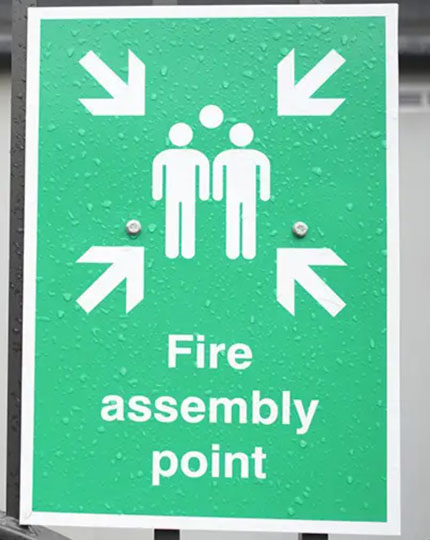
Fire prevention, risk assessment and emergency procedures.
 Online Course
e-Learning Training Course
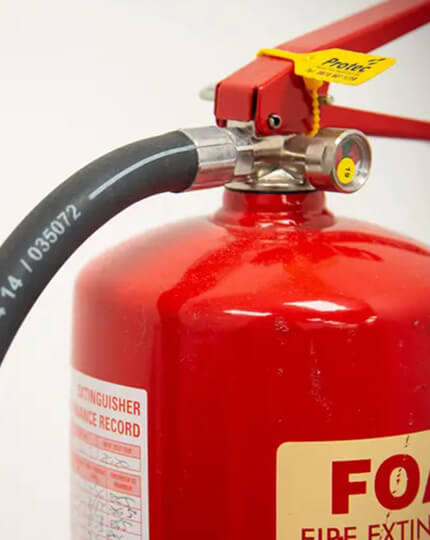
Correct use of fire extinguisher types in emergencies.
 Online Course
e-Learning Training Course
Lead fire safety procedures and emergency evacuations.
 Online Course
e-Learning Training Course
Emergency response skills for workplace incidents.
 Online Course
e-Learning Training Course
Identify asbestos risks and follow safe work practices.