




What Are Abrasive Wheels? Understanding Risks and the Importance of Safety Training in Ireland
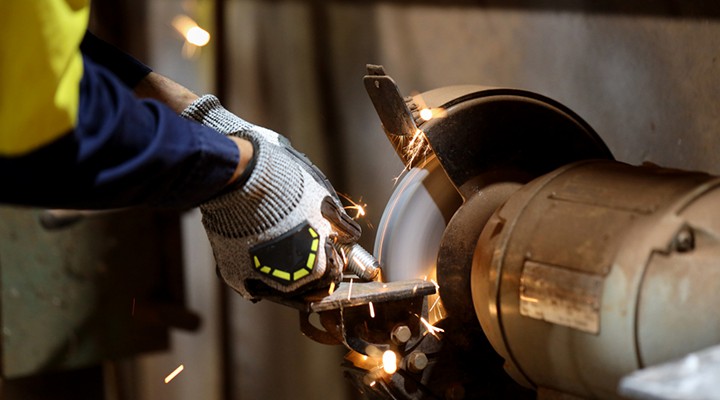
Abrasive wheels are crucial tools utilized across various industries, including construction, manufacturing, and engineering. These wheels are designed for grinding, cutting, and shaping materials by removing surface material quickly and efficiently. While they are invaluable in numerous applications, the inherent nature of abrasive wheels also poses significant safety risks if not handled correctly.
Definition of Abrasive Wheels
Abrasive wheels consist of a composite material usually made from a combination of abrasive grains and a binder. They can vary in grit size, width, and overall diameter, making them suitable for different types of tasks, from metal cutting to concrete grinding.
Common Risks Associated with Abrasive Wheels
Despite their utility, abrasive wheels come with a set of risks:
- Wheel Breakage: One of the most serious hazards, breakage can lead to flying debris causing severe injuries.
- Improper Mounting: If not mounted correctly, wheels can become unstable during operation, leading to accidents.
- Lack of Personal Protective Equipment (PPE): Inadequate protective gear can expose operators to various hazards.
- Excessive Wear: Overused or old wheels can malfunction, posing risks of injury and inefficiency.
- Inadequate Training: Operators lacking proper training may not adhere to safety protocols or recognize potential hazards.
Why Proper Training is Essential
Proper training in the use of abrasive wheels is not just a recommendation but a necessity. In Ireland, compliance with safety standards is critical. Certification ensures operators understand:
- How to select the appropriate wheel for the job.
- Correct mounting techniques and inspection procedures.
- Best practices for using PPE, including safety glasses, gloves, and face shields.
- Emergency procedures and first aid in the event of an accident.
Legal Requirements and Compliance
In Ireland, the use of abrasive wheels must comply with relevant workplace safety regulations. Employers are required to ensure that:
- Employees receive adequate training, such as the Abrasive Wheels Course Ireland.
- Proper equipment maintenance is conducted regularly to ensure safe operation.
- Workspaces are compliant with health and safety guidelines established by the Health and Safety Authority (HSA).
Safety Guidelines for Using Abrasive Wheels
To mitigate risks associated with abrasive wheels, follow these safety guidelines:
- Always wear appropriate PPE.
- Inspect wheels for damage before use.
- Ensure the wheel is mounted securely and is compatible with the grinder.
- Use the correct speed settings as per specifications.
- Do not exceed the wheel's maximum operating speed.
Best Practices for Preventing Accidents
The following best practices can help reduce the likelihood of accidents when using abrasive wheels:
- Regularly train staff on new equipment and methods.
- Keep work areas clean and organized to minimize hazards.
- Encourage a culture of safety where employees feel comfortable reporting unsafe conditions.
- Provide ongoing evaluations of safety practices and equipment.
Enroll in Certified Abrasive Wheels Training
Bearing in mind the risks and safety standards, investing in abrasive wheels training is essential for all operators—whether in Dublin, Cork, Galway, or Limerick. Consider enrolling in a Certified Abrasive Wheels Course Dublin or an Abrasive Wheels Course Ireland to ensure compliance and prioritization of safety.
Conclusion
Understanding what abrasive wheels are, recognizing their associated risks, and receiving proper training is vital for maintaining a safe working environment. Ensure you and your team are well-trained and equipped with the knowledge to prevent accidents in the workplace.
For further information, queries, or training advice, contact us at [email protected].