





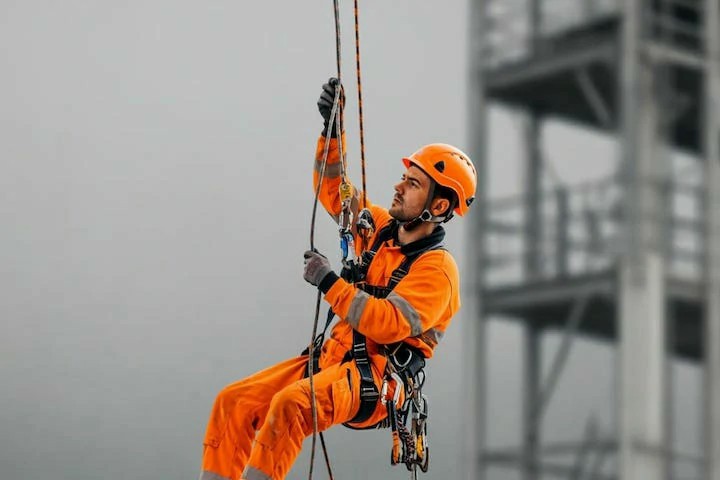
Weather-Driven Risks in Working at Heights: Essential Safety Guidelines
Working at heights involves inherent risks, but unpredictable weather conditions can drastically elevate these hazards. Understanding how weather affects safety is crucial for anyone involved in high-altitude tasks. In this article, we explore the impact of various weather elements on Working at Heights safety and outline best practices to ensure that workers are prepared to face these challenges.
Understanding the Influence of Weather on Safety
Weather conditions can significantly alter the safety landscape when working at heights. The most common weather elements affecting safety include:
- Wind
- Rain
- Snow and Ice
- Extreme Temperatures
Wind: The Silent Risk
Strong winds pose a significant danger to those working at heights. A gust can easily destabilize a worker, leading to critical falls. Here are some key considerations:
- Height and Exposure: The higher the elevation, the stronger the wind. Workers must constantly assess wind conditions, especially when working on rooftops or scaffolding.
- Equipment Impact: Equipment can be affected by wind. Ensure that tools and materials are secured to prevent them from being blown away.
- Worker Limitations: Workers should have the training to recognize their physical capabilities against windy conditions. If the wind is too strong, it's safer to postpone work.
Rain: Slippery Surfaces and Reduced Visibility
Rain can create slippery surfaces, increasing the risk of falls:
- Footwear: Use slip-resistant footwear designed for wet conditions.
- Visibility: Rain can reduce visibility; using high-visibility clothing and ensuring proper lighting is essential.
- Equipment Maintenance: Regularly check and maintain safety equipment to ensure it’s functioning properly under wet conditions.
Snow and Ice: A Hidden Danger
In colder climates, snow and ice can create treacherous conditions:
- Surface Preparation: Ensure that surfaces are cleared of snow and ice before allowing personnel to work.
- PPE: Use insulated, waterproof gear and ensure that safety harnesses and lines are functioning properly, as wet and frozen conditions can compromise their integrity.
- Training: Workers should be trained to recognize the risks associated with snow and ice and how to maintain stability.
Extreme Temperatures: Heat Stress and Hypothermia
Extreme heat or cold can impact a worker’s physical condition:
- Heat Stress: Ensure that workers have regular breaks in shaded areas and stay hydrated.
- Hypothermia Precautions: During colder months, teach workers to spot the signs of hypothermia and frostbite and adjust work schedules accordingly.
Training for Weather Readiness
Properly trained workers are far more equipped to handle adverse weather conditions safely:
- Working at Heights Training: A certified Working at Heights training program should include modules on weather conditions, such as recognizing dangerous situations and employing safety protocols.
- Regular Refresher Courses: Safety procedures can change; conducting refresher courses can help reinforce crucial skills and updates in practices.
- On-Site Assessments: Before starting work, conduct weather assessments to determine potential risks and adjust plans accordingly.
Best Practices for Weather-Related Working at Heights Safety
Implementing the following best practices can enhance safety:
- Conduct thorough site assessments before work commences, particularly in adverse conditions.
- Invest in quality PPE tailored for specific weather conditions.
- Establish a clear communication plan to alert workers of changing weather conditions.
- Encourage a culture of safety where workers feel empowered to voice concerns about working conditions.
Conclusion
The necessity for rigorous safety protocols cannot be overstated when it comes to Working at Heights, particularly under adverse weather conditions. Understanding the risks posed by wind, rain, snow, and extreme temperature allows for effective mitigation strategies. Employers must prioritize comprehensive training programs, such as Working at Heights Courses and ensure all personnel are adequately prepared for the unique challenges presented by the weather.
For more information on enhancing your workplace safety, contact us at [email protected].