Skip to main content


Unlock Workplace Safety: The Essential Role of First Aid & CPR Training Across Ireland
In the bustling cities of Ireland—from Dublin to Cork, Galway to Belfast—the workplace landscape is as dynamic as its people. Every day, employees encounter different challenges, and among those, the potential for medical emergencies looms large. This is where comprehensive First Aid and CPR training becomes not just beneficial but essential. In this post, we will explore the vital importance of First Aid certification and the numerous advantages it brings to organizations striving for employee safety and compliance with health regulations.
1. The Significance of First Aid Training in the Workplace
First Aid training equips employees with the skills to respond calmly and effectively in emergencies. Immediate intervention can be the difference between life and death in critical situations such as cardiac arrest, severe injuries, or choking incidents. By having certified individuals on site, businesses can mitigate risks and respond promptly to a variety of health crises.
2. Benefits of Comprehensive First Aid Certification
- Enhanced Employee Safety: Investing in First Aid training empowers employees with the knowledge to safeguard their health and well-being.
- Compliance with Irish Health & Safety Regulations: Organizations in Dublin, Cork, Galway, Limerick, and beyond must adhere to the Safety, Health and Welfare at Work Act, ensuring they have trained personnel ready for emergencies.
- Boosted Employee Confidence: Training fosters a sense of responsibility and enhances confidence in dealing with emergency situations.
- Improved Workplace Morale: Employees feel more secure knowing their colleagues are equipped with lifesaving skills, fostering a stronger workplace culture.
3. Vital CPR Techniques Every Employee Should Master
Understanding basic CPR techniques is crucial, as cardiac arrest can occur without warning. Vital skills include:
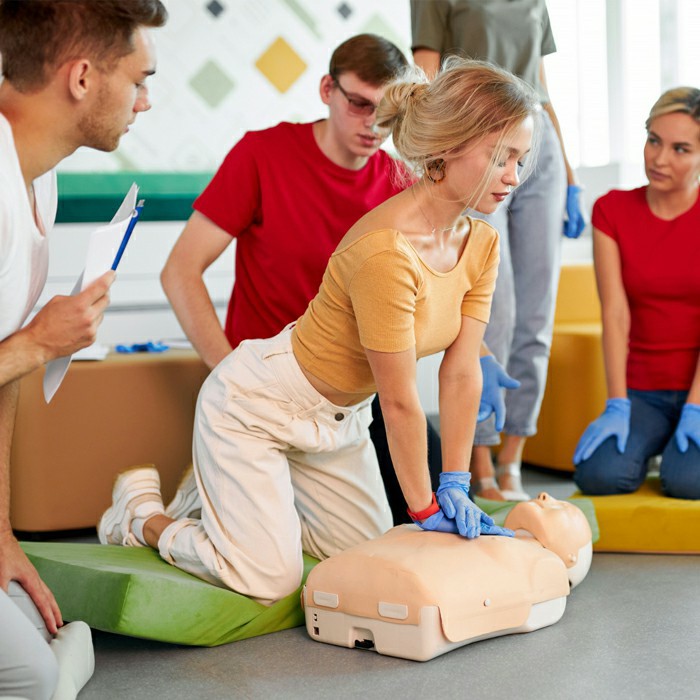
- Chest Compressions: Correct hand positioning and compression rates can help save a life.
- Rescue Breaths: Learning how to provide effective rescue breaths can be critical in certain situations.
- Using an AED: Familiarization with Automated External Defibrillators (AEDs) is key in responding to cardiac emergencies effectively.
4. Adherence to Health and Safety Regulations in Ireland
In accordance with the Health and Safety Authority (HSA), workplaces across Ireland are required to ensure that First Aid training meets specific compliance standards. This includes:
- Regularly assessing workplace hazards and ensuring adequate First Aid resources.
- Maintaining up-to-date First Aid kits and emergency contact information.
- Ensuring that a sufficient number of employees are trained in First Aid and CPR.
5. Online Versus In-Person First Aid Training Courses
Deciding between online First Aid courses and in-person training is an important consideration for organizations. Here are the benefits of each:
- Online Courses: Flexibility and convenience to fit training into work schedules.
- In-Person Training: Hands-on experience and immediate feedback from certified instructors.
Regardless of the method chosen, ensure that the course is accredited and covers essential topics relevant to your industry.
6. Strategies for Reducing Workplace Injuries
Training employees in First Aid goes hand-in-hand with implementing effective workplace injury prevention strategies. Consider the following:
- Regular health and safety workshops.
- Clear emergency procedures and regular drills.
- Open communication channels for reporting hazards.
Conclusion: Take Action for a Safer Workplace
Investing in First Aid and CPR training is an investment in your workforce's well-being, compliance, and operational efficiency. Without a doubt, ensuring that your team is equipped to handle emergencies not only fosters a culture of safety but also significantly enhances overall workplace health.
Ready to make a difference in your organization? Enroll your team today in accredited First Aid & CPR training courses across Dublin, Cork, Galway, Limerick, Waterford, and Belfast. For inquiries, contact us at [email protected].