




Understanding the Dangers of Working at Heights and the Power of Training
Working at heights is an essential aspect of various industries, but it comes with significant risks. Whether you are a construction worker on a scaffolding, a maintenance technician on a rooftop, or an electrician installing wiring overhead, the hazards of working at heights must be taken seriously. In this blog post, we will identify the key safety risks associated with working at heights and illustrate how proper training can effectively prevent accidents.
Common Workplace Hazards When Working at Heights
There are several common hazards that workers face when performing tasks at elevated levels. Understanding these risks is the first step towards mitigating them:
- Falls: Falls are the leading cause of serious injuries and fatalities in the workplace. Even a fall from a relatively low height can lead to life-altering injuries.
- Unstable Surfaces: Working on scaffolding, ladders, or uneven ground can increase the risk of slips and falls.
- Weather Conditions: Rain, wind, and ice can create treacherous working conditions, making it vital for workers to be trained to recognize and adapt to these factors.
- Equipment Failures: Safety equipment, like harnesses and guardrails, can fail if not properly inspected and maintained. Workers must be trained in how to identify and respond to equipment issues.
The Importance of Fall Protection Systems
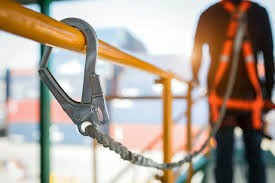
Fall protection systems, such as harnesses, lanyards, and guard rails, are critical in ensuring worker safety. Training enables workers to understand how to properly use these systems:
- Harnesses: A properly fitted harness is essential for fall protection. Training helps workers know how to don and adjust a harness effectively.
- Lanyards: These connect workers to anchor points. Training includes understanding proper use and the importance of inspecting lanyards for frays or weaknesses.
- Guardrails and Safety Nets: Installing these systems can prevent falls. Workers must understand local regulations for guardrail installation and maintenance.
Emergency Response Planning
Even with the best training and equipment, accidents can still happen. This is why emergency response planning is crucial:
- Rescue Procedures: Workers must be trained in how to respond to accidents and in rescue procedures, including how to use equipment and manage the situation safely.
- First Aid Training: Basic first aid training can enable workers to provide immediate assistance in case of an accident, potentially saving lives.
- Regular Drills: Holding regular emergency drills can prepare workers for real-life scenarios, reinforcing the importance of a quick and efficient response.
Real-Life Case Studies: Training Prevents Incidents
Training has proven effective in reducing workplace accidents. Here are a couple of real-life incidents illustrating its importance:
Case Study 1: Averted Scaffolding Fall
A construction company in Dublin implemented a rigorous Working at Heights training course for its workers. In one instance, a worker forgot to connect their harness to a safety line while working on scaffolding. However, thanks to peer training, another worker quickly intervened and reminded them to secure their harness, preventing a potential fall from over 20 feet.
Case Study 2: Roof Maintenance Incident
A maintenance crew operating on a rooftop in Cork attended a Working at Heights certification course. During a sudden storm, the team quickly recognized the dangers of continuing work and performed a safe evacuation guided by their training. The experience and drills they conducted enabled them to work as a cohesive unit, preventing potential injuries from hazardous weather conditions.
Conclusion: The Necessity of Certification and Training
As demonstrated by the case studies, the right training and adequate preparation can make all the difference in maintaining safety while working at heights. Investing in Working at Heights training and obtaining appropriate certification is a crucial step for employers and employees alike. Not only does it enhance individual safety, but it also cultivates a culture of safety within the workplace.
For those seeking to enhance their skills, consider enrolling in a Working at Heights safety course or an online course that fits your schedule. Remember, safety is a shared responsibility, and the first step towards a safer working environment is education.
If you have any questions or would like to enroll in a Working at Heights Course Online, feel free to get in touch at [email protected]. Stay safe, and let’s work together to build a safer future!