Skip to main content


Understanding Abrasive Wheels: Risks, Safety, and Training Essentials in Ireland
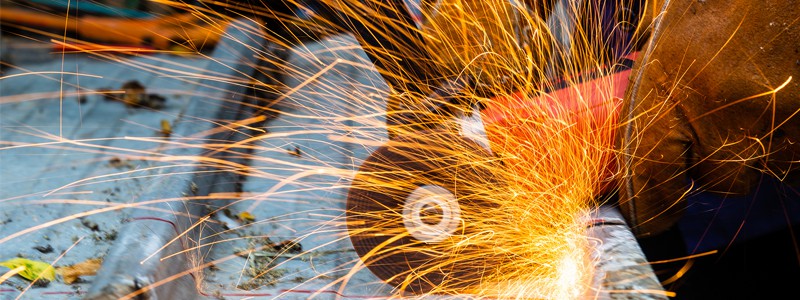
Abrasive wheels are essential tools in various industries, including construction, manufacturing, and maintenance. They are designed to grind, cut, or shape materials such as metals, plastics, and wood, making them invaluable for numerous applications. However, while these tools are incredibly useful, they also pose significant safety risks if not handled correctly. Hence, comprehensive training and adherence to safety protocols are crucial.
What Are Abrasive Wheels?
Abrasive wheels are circular tools composed of abrasive particles bonded together, typically used in grinding machines or as attachments to powered equipment. Their primary function is to remove material through a process of abrasion. Common types include grinding wheels, cutoff wheels, and polishing wheels, each tailored for specific applications in metalworking, woodworking, and more.
Abrasive Wheels Safety Risks
While abrasive wheels are essential for many tasks, they come with inherent risks:
- Wheel Breakage: One of the most significant hazards is the potential for the wheel to break during use, which can result in flying debris and serious injuries.
- Improper Mounting: Incorrect installation can lead to imbalance, increasing the risk of wheel failure.
- Lack of Protective Equipment: Failing to use appropriate personal protective equipment (PPE), such as goggles and gloves, can leave users vulnerable to injury.
- Inadequate Training: Without proper training, operators may misuse equipment, increasing the likelihood of accidents.
Why Proper Training Is Essential
Proper training ensures that operators understand the correct usage, handling, and maintenance of abrasive wheels. Training programs, like those offered in Dublin or Cork, focus on:
- Identifying types of abrasive wheels and their applications
- Understanding safety measures and legal requirements
- Learning how to set up, operate, and maintain equipment safely
- Guidance on selecting and wearing PPE
In Ireland, certification in abrasive wheels training is not only encouraged but often required for compliance with health and safety regulations.
Legal Requirements and Compliance
The use of abrasive wheels in the workplace is governed by several regulations in Ireland, notably the Health and Safety Authority (HSA). Employers must ensure that:
- Employees receive adequate training and are certified to operate equipment
- Regular risk assessments are conducted
- Equipment is maintained in good working condition
Best Practices for Preventing Accidents
To maximize safety when using abrasive wheels, consider the following best practices:
- Always inspect abrasive wheels for damage before use.
- Ensure wheels are mounted securely and are the correct size for the machine.
- Use appropriate PPE, such as face shields, safety goggles, and gloves.
- Follow the manufacturer's instructions for operation and maintenance.
- Keep the workspace free from clutter and debris to prevent tripping hazards.
Abrasive Wheels Training Options in Ireland
If you or your employees need **Abrasive Wheels Training in Dublin**, **Cork**, **Galway**, or **Limerick**, there are numerous reputable training providers available. Courses cover the essentials of handling abrasive wheels safely and provide certification upon completion, ensuring compliance with safety regulations.
Consider enrolling in an Abrasive Wheels Course Ireland to not only enhance workplace safety but also to meet legal obligations. With options for both in-person and Abrasive Wheels Online Course, there’s a flexible solution for everyone.
Conclusion
Understanding what abrasive wheels are and recognizing the associated risks is essential for ensuring safety in any workplace. Proper training mitigates these hazards, fostering a culture of safety and compliance across enterprises in **Dublin**, **Cork**, **Galway**, **Limerick**, **Waterford**, and beyond. Don’t wait—invest in **Certified Abrasive Wheels Training** today to protect yourself and your team from potential accidents.
For inquiries and enrollment information, contact us at [email protected].