




Ireland's Comprehensive Guide to Working at Heights Training: Legal Requirements and Best Practices
In Ireland, working at heights is a critical concern for employers and employees alike. As construction sites become more complex and varied, understanding the legal requirements surrounding Working at Heights training is essential for ensuring safety in the workplace. This blog delves into the legal framework as defined by the Health and Safety Authority (HSA) and the Health and Safety Executive (HSE), employer obligations, and penalties for non-compliance.
The Legal Framework Governing Working at Heights
Working at heights presents substantial risks, and accordingly, Ireland has established robust legal requirements to protect workers. The HSA outlines the necessity for Working at Heights training to comply with the Safety, Health and Welfare at Work Act. This legislation mandates employers to ensure their employees are adequately trained to work safely at heights.
Understanding HSA and HSE Regulations
The HSA is the primary body responsible for enforcing workplace safety laws in Ireland. Their guidelines state that any work conducted at a height where an employee could fall and injure themselves necessitates specific training and safety measures. This is echoed by the HSE, which emphasizes the importance of risk assessments and the provision of proper training for employees.
Employer Responsibilities Under Irish Law
Employers have a legal duty to:
- Conduct risk assessments to identify potential hazards associated with working at heights.
- Provide Working at Heights training to ensure employees are aware of the risks and know how to mitigate them.
- Offer Working at Heights certification through accredited providers, ensuring that employees possess the necessary skills to work safely.
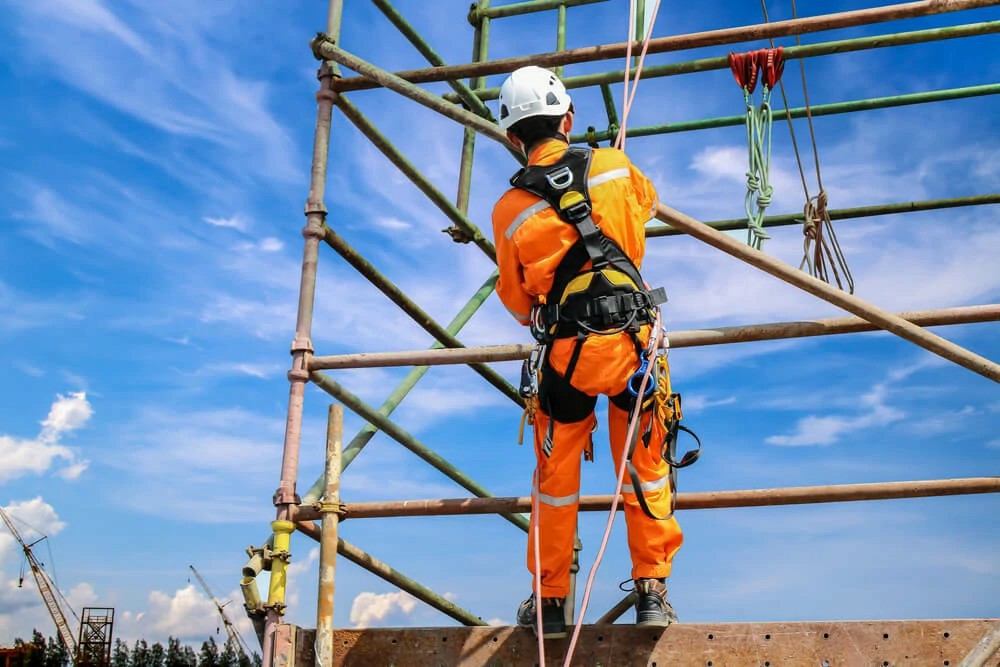
- Equip employees with suitable safety equipment, including harnesses, helmets, and guardrails.
Furthermore, employers must maintain records of training and ensure ongoing education to keep safety knowledge up to date.
Consequences of Non-Compliance
Failing to adhere to the legal requirements for Working at Heights training can lead to serious penalties, including:
- Fines: Significant financial penalties can be imposed on employers who neglect their responsibilities.
- Legal Action: In the case of workplace accidents, employers may face lawsuits if they are found negligent in complying with training and safety measures.
- Reputation Damage: Non-compliance can lead to a tarnished reputation within the industry, affecting relationships with clients and potential business opportunities.
The Importance of Compliance for Workplace Safety
Ensuring compliance with Working at Heights training regulations is not merely a legal obligation; it is a critical component of fostering a culture of safety within any organization. Proper training helps in:
- Reducing the likelihood of accidents and injuries, thereby preserving employee well-being.
- Improving operational efficiency by educating workers on best practices and safety protocols.
- Enhancing employee morale and trust in the organization.
Strategies for Ensuring Compliance
To ensure compliant and effective Working at Heights training, businesses can take the following actions:
- Choose Accredited Training Providers: Opt for reputable organizations that offer Certified Working at Heights Training. Look for trainers who have experience and a proven track record.
- Implement Regular Safety Audits: Conduct audits and inspections of work practices and safety equipment to ensure ongoing compliance.
- Engage in Continuous Education: Facilitate ongoing training sessions and refresher courses to ensure that employees remain knowledgeable about best practices.
- Maintain Documentation: Keep accurate records of all training sessions and safety audits to provide evidence of compliance in case of inspections.
Enroll in Certified Training Today!
Don’t wait until it’s too late—ensure your team is equipped with the knowledge and skills needed for safe working practices at heights. Enroll your employees in a Working at Heights course online or seek out a local Working at Heights Certification Dublin course tailored for businesses in the area. For more information, visit Ireland Safety Training or contact us at [email protected].
In conclusion, understanding the legal requirements for Working at Heights training in Ireland is paramount. Compliance not only ensures the safety of your employees but also protects your business from legal repercussions and enhances its reputation. Start your journey to a safer working environment today.