Skip to main content


Incorporating Working at Heights Safety Training into Your Business Strategy
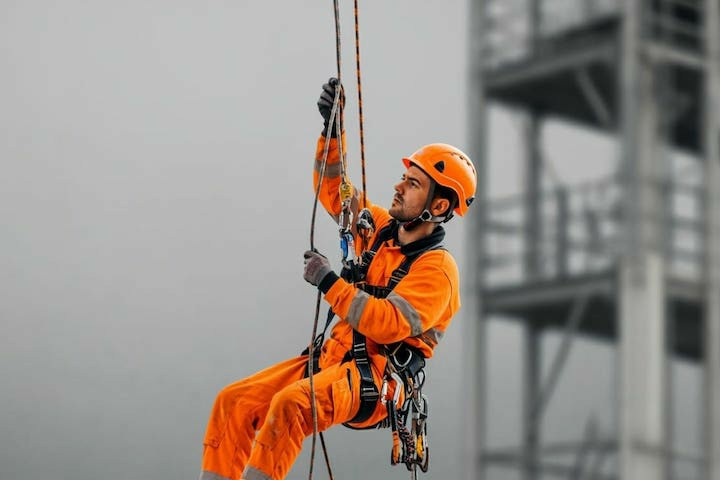
Ensuring the safety of employees is a fundamental responsibility of any business, especially when tasks require working at heights. Working at Heights safety training not only complies with legal requirements but also plays a crucial role in protecting employees and reducing the risk of accidents. In this blog, we will explore effective strategies to integrate Working at Heights training into your company's safety policies, the importance of internal safety audits, the need for refresher training, and how compliance monitoring can create a sustainable culture of safety.
The Importance of Working at Heights Training
Working at Heights training is essential for anyone involved in activities where there is a risk of falling. Certifications, like Working at Heights Certification Ireland, ensure that employees not only understand the inherent risks but also the safety measures needed to mitigate these dangers. Implementing this training within your business policies can:
- Reduce workplace accidents and injuries
- Enhance employee confidence in performing tasks safely
- Ensure compliance with relevant safety regulations
- Promote a culture of safety within the organization
Conducting Risk Assessments
Risk assessments are the foundation of any safety strategy. Begin by identifying potential hazards related to working at heights within your workplace. Here are actionable steps to follow:
- Identify Hazardous Areas: Look for locations where employees may be exposed to falling risks, such as rooftops, scaffolding, or raised workbenches.
- Evaluate Risks: Analyze how likely it is for an accident to occur and the potential severity of the consequences.
- Implement Control Measures: Develop strategies to minimize identified risks, such as installing guardrails, using harnesses, or providing safety nets.
- Document Findings: Keep detailed records of the risk assessment process to track improvements and ensure compliance.
Integrating Training into Company Policies
Once risk assessments have been completed, it's time to integrate Working at Heights courses into your policies. Here are important steps to take:
- Mandatory Training: Make Working at Heights safety courses a requirement for all employees whose tasks involve height work.
- Offer a Variety of Training Options: Providing Working at Heights online courses gives flexibility and ensures accessibility for all employees.
- Documentation of Training: Keep records of who has completed training and their certification status.
- Establish a Safety Committee: Assemble a group to oversee safety practices, recommend training, and handle safety audits.
Conducting Internal Safety Audits
Regular safety audits are crucial for ensuring compliance and identifying areas for improvement. Internal audits should include:
- Reviewing training records and ensuring all employees are certified
- Inspecting safety equipment for adequacy and condition
- Assessing compliance with documented safety procedures
- Gathering feedback from employees about safety practices
By conducting these audits regularly, businesses can adapt their policies and training programs to meet changing needs and ensure ongoing safety.
Implementing Refresher Training
Safety training is not a one-time event but an ongoing process. Therefore, offering refresher courses ensures that employees stay updated on safety practices. Schedule refresher training sessions periodically and after:
- Incidents or near-misses
- Changes in safety regulations
- Introduction of new equipment or procedures
This ongoing education reinforces safety protocols and fosters a proactive approach among employees.
Compliance Monitoring
Monitoring compliance is essential to assess the effectiveness of your safety program. Here are some techniques:
- Employee Feedback: Regularly solicit feedback on safety training and practices from staff.
- Performance Metrics: Utilize data from audits and incident reports to measure the success of safety initiatives.
- Actionable Plans: Based on assessments, create plans to improve safety protocols where necessary.
Improving compliance monitoring will also encourage a safety-focused mindset among employees.
Creating a Culture of Safety
Building a culture where safety takes precedence requires engagement from all levels of the organization. Here are some steps:
- Leadership Commitment: Management must prioritize safety and lead by example.
- Employee Involvement: Encourage employees to participate in safety discussions and training decisions.
- Recognize Safe Practices: Reward employees who consistently follow safety protocols and contribute to creating a safer working environment.
Conclusion
Working at Heights safety training is imperative for any business that requires employees to perform tasks at height. By implementing effective policies regarding training, regular audits, refresher courses, and compliance monitoring, companies can significantly reduce workplace risks and enhance productivity. Investing in your workforce’s safety means investing in the future of your business. Enroll your employees in certified Working at Heights training programs today to ensure compliance and promote a culture of safety in your organization.
For comprehensive training options, including Working at Heights certification Dublin and Working at Heights certification Cork, visit our course page or contact us at [email protected] for more information.