Skip to main content


Harnessing Virtual Reality for Effective Working at Heights Training
In an era where workplace safety takes precedence, virtual reality (VR) has emerged as a game-changer for training employees in Working at Heights. This cutting-edge technology creates a dynamic environment where trainees can engage in realistic simulations of high-risk scenarios without any physical danger. This article delves into the transformative impact of VR on Working at Heights training, highlighting its advantages, integration strategies, and long-term benefits.
Understanding the Importance of Working at Heights Training
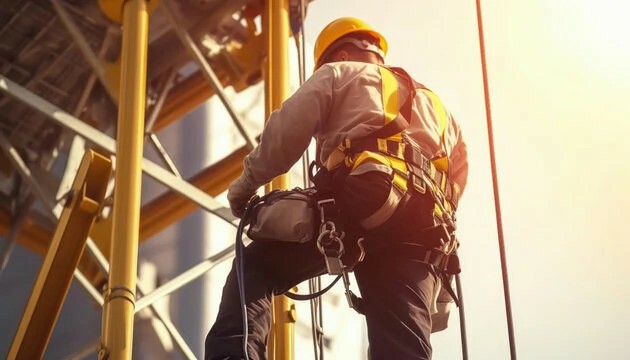
Working at heights is an essential aspect of various industries, including construction, maintenance, and telecommunications. However, it also presents substantial risks, leading to serious injuries and fatalities if proper safety protocols are not followed. Working at Heights safety training is designed to equip workers with essential skills and knowledge to operate safely in elevated environments. Traditional training methods often fall short in providing real-world experience, making the transition to VR a vital advancement.
Why VR Training Enhances Learning Retention
One of the challenges in any safety training program is ensuring that participants retain the knowledge they acquire. VR provides an immersive experience that enhances learning retention through:
- Engagement: Interactive scenarios capture attention and stimulate interest.
- Realistic Simulations: Trainees can practice skills in environments that mimic actual working conditions.
- Active Learning: Participants are encouraged to practice techniques and decision-making in real time.
Realistic Simulations of High-Risk Environments
VR technology allows trainees to navigate a range of scenarios, such as:
- Working on scaffolding
- Operating aerial lifts
- Performing tasks on rooftops
- Reacting to emergency situations (e.g., falling objects, slips)
This realistic engagement means that workers can practice emergency procedures, develop situational awareness, and learn to use safety equipment in a controlled, risk-free setting.
Cost-Effective Training Solutions
Integrating VR into Working at Heights courses can significantly reduce training costs. Traditionally, hands-on training may require extensive materials, equipment, and travel logistics. Advantages of VR include:
- Reduced Equipment Needs: VR eliminates the need for physical setups and allows for repeated practice without wear and tear.
- Scalability: Multiple trainees can participate in VR training sessions at once, maximizing resources.
- Lower Insurance Premiums: Enhanced safety training can lead to fewer incidents and, consequently, lower premiums.
Integrating VR into Your Safety Program
For companies looking to modernize their Working at Heights training, integrating VR can be a straightforward process. Consider the following steps:
- Evaluate Training Needs: Identify gaps in your current training protocols.
- Select a VR Provider: Partner with a vendor that specializes in immersive safety training solutions.
- Customize Scenarios: Tailor VR simulations to reflect your specific working environment and risks.
- Implement Feedback Mechanisms: Collect data on trainee performance and areas for improvement.
Case Study: Successful Implementation of VR Training
A leading construction firm in Dublin recently integrated VR into its Working at Heights safety course. Before VR, the company experienced a high rate of training incidents. After implementing immersive sessions, they reported:
- A 50% reduction in workplace accidents related to height work
- Improved trainee satisfaction and engagement
- Enhanced skill retention in real-world settings
This case exemplifies how VR can lead to tangible benefits in safety performance.
Long-Term Benefits of Immersive Learning Technology
Beyond immediate results, investing in VR training for Working at Heights certification offers long-term advantages:
- Cultivating a Safety Culture: Regularly updated training fosters a proactive safety mindset among employees.
- Enhanced Brand Reputation: Organizations dedicated to employee safety demonstrate their commitment to welfare, enhancing credibility.
- Compliance and Certification: Continuous VR training helps maintain compliance with safety regulations, ensuring certifications are up to date.
Conclusion: The Future of Working at Heights Training
The use of virtual reality in Working at Heights training represents a significant evolution in how workplace safety is approached. By offering realistic, engaging, and cost-effective training solutions, businesses can ensure their employees are prepared to handle high-risk environments responsibly. If your organization is ready to elevate its safety training, explore the advantages of VR technology now. Visit Ireland Safety Training for more information, or reach out at [email protected] for personalized guidance and support.