Skip to main content


Harnessing Cutting-Edge Technology for Safer Working at Heights Training
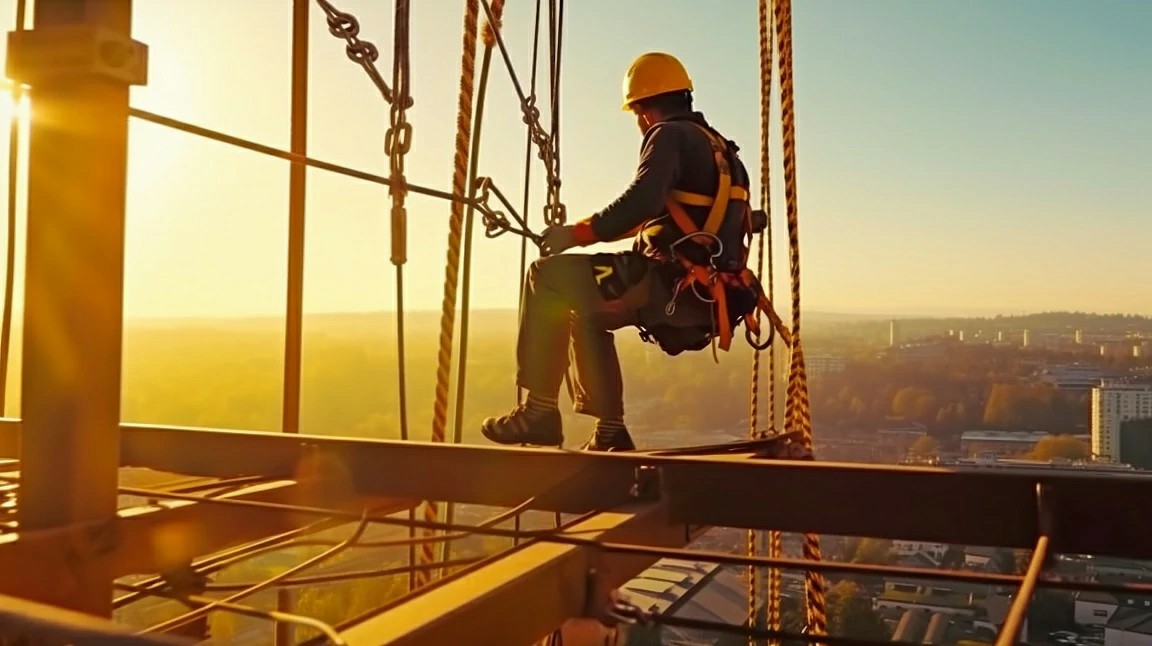
In today’s fast-paced work environment, ensuring the safety of employees working at heights has become paramount. As industries evolve, so do the methodologies and technologies used to enhance Working at Heights Training. In this blog post, we will explore how innovative technologies such as smart helmets, IoT sensors, and AI-powered risk assessments are transforming Working at Heights safety protocols and training.
The Importance of Modern Technology in Working at Heights Training
The traditional approach to safety training has been effective, but the integration of modern technology has opened new avenues for enhancing workplace safety. With advancements in wearable technology, AI, and immersive training tools, organizations can now better address the unique challenges posed by working at heights.
Innovative Technologies Enhancing Training Programs
1. Smart Helmets
Smart helmets equipped with augmented reality (AR) capabilities have revolutionized on-site training. These helmets provide:
- Real-Time Data: Access to live data about the environment such as weather conditions, structural integrity, and potential hazards.
- Visual Assistance: AR overlays that guide workers through safety procedures and allow them to visualize potential risks in their surroundings.
- Two-Way Communication: Enables trainers to communicate with workers in real-time, providing immediate feedback.
2. IoT Sensors
Internet of Things (IoT) sensors have begun to play a vital role in Working at Heights Training. These sensors can:
- Detect Fall Risk: Monitor the worker’s movements and environment to alert them of unsafe conditions.
- Track Worker Location: Ensure workers’ locations are continuously monitored, allowing for quick responses to emergencies.
- Gather Data: Analyze data to improve safety protocols and training programs.
3. AI-Powered Risk Assessments
AI technology enhances risk assessments by:
- Predicting Hazards: Analyzing historical data to identify potential risks based on specific conditions and tasks.
- Customized Training Modules: Offering tailored training programs based on the worker's past performance and behavior.
- Automated Reporting: Creating detailed reports that help management make informed decisions about safety enhancements.
The Benefits of Integrating Technology into Training Programs
Incorporating these advanced technologies into Working at Heights courses offers numerous advantages:
- Enhanced Engagement: Interactive training methods, such as virtual reality simulations, boost worker engagement and retention.
- Improved Safety Compliance: Ensuring all workers are trained with the latest information and tools leads to higher compliance levels.
- Reduction in Workplace Accidents: Technology aids in significantly lowering the risk of accidents, ensuring a safer working environment.
Implementing Advanced Safety Technologies in Your Business
Businesses interested in adopting advanced safety technologies for Working at Heights Certification should consider the following steps:
- Assess Your Current Programs: Review existing training methods to identify gaps where technology can be beneficial.
- Invest in Technology: Evaluate and invest in smart helmets, IoT sensors, and AI solutions tailored to your operational needs.
- Continuous Training: Regularly update training programs to incorporate new safety technologies and methodologies.
- Engage Employees: Involve workers in the decision-making process to improve buy-in and acceptance of new technologies.
Conclusion: Embrace the Future of Working at Heights Safety
Modern technology is reshaping the landscape of Working at Heights Training. By integrating smart devices, IoT sensors, and AI-driven risk assessments, businesses can significantly enhance workplace safety and reduce accidents. Investing in these technologies is not only essential for compliance but also critical for fostering a culture of safety. For organizations in Dublin, Cork, and Galway looking to advance their safety training, exploring our certified Working at Heights courses is a great place to start.
For more information, contact us at [email protected].