Skip to main content


Enhancing Patient Safety: The Role of Manual Handling-Awareness Training in Healthcare
In the fast-paced world of healthcare, ensuring the safety of both patients and staff is paramount. One critical aspect often overlooked is manual handling-awareness. This training is essential for professionals, from nurses and caregivers to physiotherapists, who regularly engage in activities that involve lifting, pushing, or moving patients or equipment. In this post, we will delve into the importance of manual handling-awareness training, focusing on how it promotes health safety and compliance in healthcare settings throughout Ireland.
The Importance of Manual Handling Awareness
Manual handling involves a range of activities that require physical effort. In healthcare, improper manual handling practices can lead to severe injuries, not only to the staff but also to patients. Common injuries include:
- Musculoskeletal disorders (MSDs)
- Strains and sprains
- Back injuries
- Fractures from slips and falls
With the increase in the elderly population and patients with mobility issues, the risks associated with manual handling are higher than ever. Thus, understanding how to perform these tasks safely is crucial.
What the Manual Handling-Awareness Course Covers
The manual handling-awareness course provides healthcare staff with the knowledge and skills necessary to handle patients and equipment effectively and safely. Below are the core components of the course:
Handling Theory
Participants will learn the fundamental principles of manual handling, including the anatomy of the body, common injuries associated with manual handling, and the significance of ergonomics in preventing injuries.
Risk Assessment
An integral part of the training is understanding how to assess risk. This section will cover:
- Identifying hazards in the workplace
- Evaluating the risks associated with specific manual handling tasks
- Implementing control measures to minimize risks
Practical Handling Techniques
Effective manual handling requires practical skills. The course includes hands-on training where participants practice safe lifting, pushing, and transferring techniques. Specific handling tasks explored include:
- Patient lifting and transferring
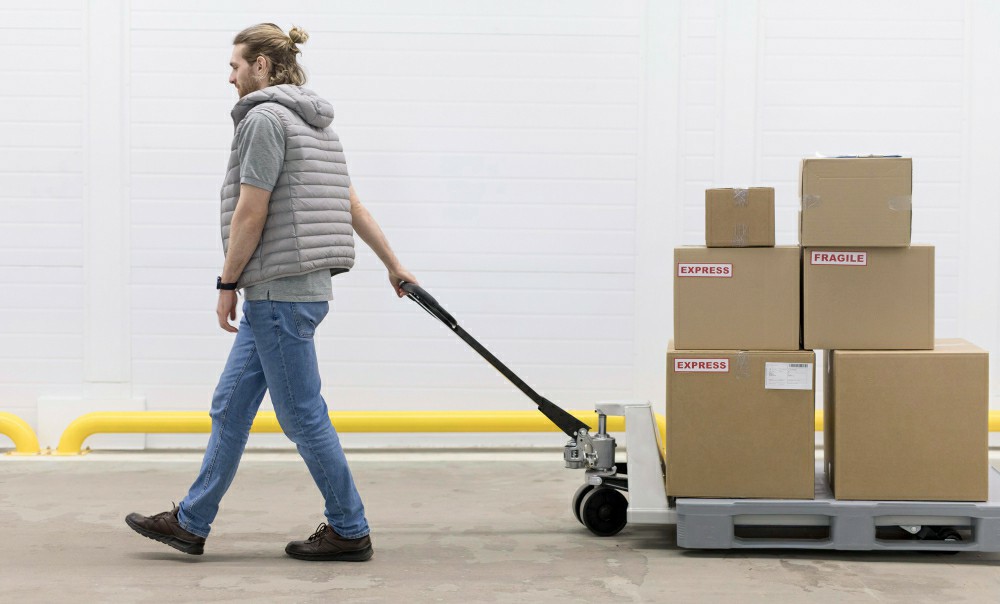
- Pushing trolleys and wheelchairs
- Handling equipment and supplies safely
Benefits of Online Manual Handling-Awareness Training
For many professionals, balancing work, education, and personal life can be challenging. That's why the option for manual handling-awareness online courses is invaluable. These courses offer:
- Flexibility: Participate from anywhere, at any time
- Self-paced learning: Completion at your own pace allows for deeper understanding
- Access to resources: Online platforms often provide extensive materials and videos that can be referenced even after course completion
Certification Process and Importance
Upon successful completion of the training, participants receive a certified manual handling-awareness certification. This certification is crucial for the following reasons:
- Compliance: It ensures adherence to health and safety regulations in Ireland, which is vital for any healthcare institution.
- Professional Development: Attracts potential employers and enhances career advancement opportunities.
- Improved Safety: Certified professionals contribute to a safer work environment, reducing workplace injuries.
Conclusion
In conclusion, manual handling-awareness training is not just a regulatory requirement; it is a vital component of ensuring safety in the healthcare environment. By equipping healthcare professionals with the necessary skills and knowledge, we protect both the workforce and the patients in their care. If you're a healthcare professional in Dublin, Cork, Galway, or anywhere in Ireland, prioritize manual handling-awareness training for yourself and your team.
For more information on our training programs, please visit Ireland Safety Training or contact us at [email protected].