





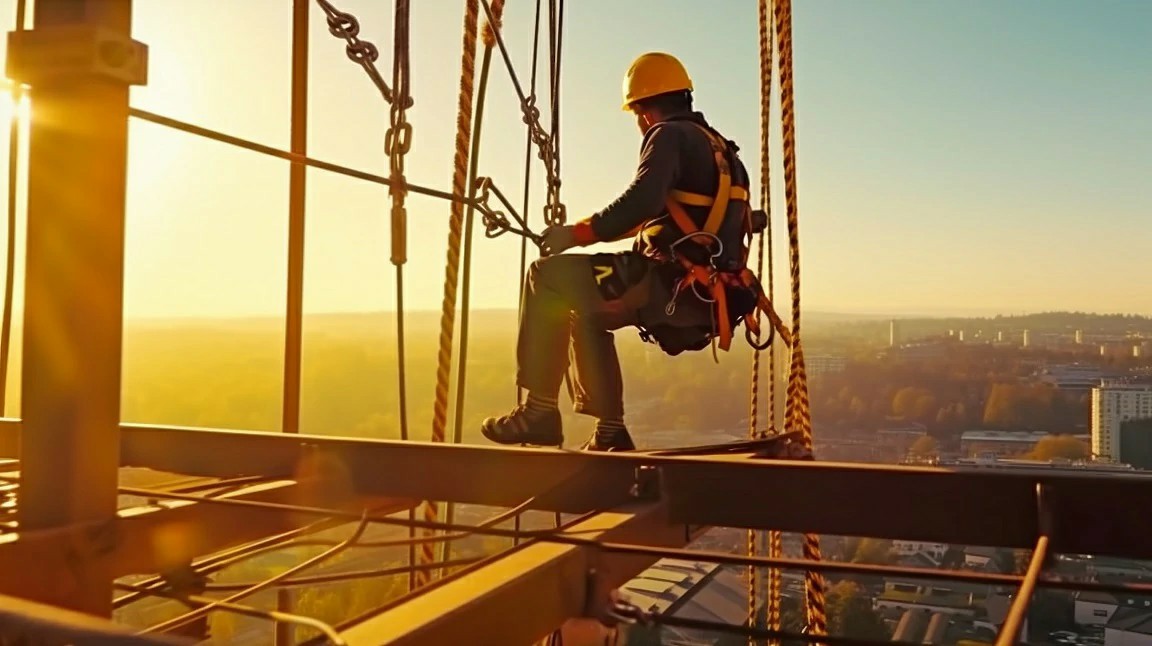
Conquering the Elements: Weather and Working at Heights Safety
When it comes to Working at Heights, safety is paramount. Every worker and employer must recognize how different weather conditions can significantly affect safety standards in the workplace. From blustery winds to slippery ice, each element brings its unique set of challenges. In this comprehensive guide, we discuss best practices for ensuring safety while working at heights in adverse weather conditions.
Understanding the Risks of Weather Conditions
Before delving into safety protocols, it is essential to understand the risks posed by various weather conditions:
- Strong Winds: High winds can dramatically affect the stability of platforms and ladders, making it difficult for workers to maintain footing.
- Rain: Wet surfaces increase the risk of slips and falls, and water accumulation can reduce the effectiveness of personal protective equipment (PPE).
- Snow and Ice: Icy surfaces are notorious for causing falls, and snow can hinder visibility and lead to structural hazards.
- Extreme Temperatures: Heat can cause fatigue, while cold can impair motor skills, further increasing risks when working at heights.
Wind: Understanding Its Impact on Climbing Safety
Wind is one of the most unpredictable weather elements affecting heights work. Strong winds can lead to:
- Ladders swaying and becoming unstable
- Increased difficulty in maintaining balance, especially with tools in hand
- PPE such as harnesses being affected if not properly secured
To promote Working at Heights Safety in windy conditions:
- Always monitor weather forecasts before commencing work.
- Establish a maximum wind speed limit for working at heights; many organizations set this at 20 km/h or lower.
- Implement tethering measures for tools to prevent them from being blown away.
Rain: Navigating the Slippery Slope
Rain can create hazardous conditions by making surfaces wet and slippery, which can lead to:
- Increased likelihood of falls
- Tools slipping from workers' hands
- Reduced visibility due to water on safety goggles
To mitigate risks when working in rainy conditions:
- Utilize non-slip footwear designed for wet surfaces.
- Ensure all ladders and scaffolding have anti-slip features.
- Conduct regular inspections of your working environment for water accumulation and address this proactively.
Snow and Ice: The Challenge of Winter Weather
Working at heights during winter months presents unique difficulties:
- Icy surfaces can lead to hazardous conditions quickly.
- Accumulating snow can obscure hazards and make surfaces unstable.
To maintain safety while working on snowy or icy surfaces:
- Use crampons or ice cleats on footwear for improved traction.
- Keep pathways to and from heights clear of ice and snow.
- Consider postponing work during heavy snowfall or severe ice storms to reduce risk.
Training: The Cornerstone of Safety in Anything Weather
Proper Working at Heights Training equips workers with the necessary knowledge and skills to deal with adverse weather conditions effectively. This training encompasses:
- Understanding environmental hazards
- Utilizing proper PPE tailored for different conditions
- Emergency response protocols for when things go wrong
In addition, courses such as Certified Working at Heights Training ensure workers understand the operational safety limits under varying weather conditions. Consider enrolling in a Working at Heights Course Online to enhance flexibility in training and ensure every worker is prepared.
Best Practices for Adverse Weather Conditions
Regardless of the weather, the following best practices should always apply:
- Conduct daily safety briefings to address current weather conditions
- Have a first-aid kit available and ensure workers know how to use it
- Establish an emergency evacuation plan that considers weather-related risks
If you're an employer or a worker involved in heights work located in Dublin, Cork, or Galway, prioritizing Working at Heights Certification Ireland is essential. Ensure that your training aligns with local regulations and best practices for your region.
Conclusion: Commit to Safety
Weather conditions are a powerful force that can present serious risks when working at heights. Understanding these risks and providing adequate training prepares workers to handle the challenges they may face. Do not compromise on safety—invest in a Working at Heights Safety Course today.
If you have any questions or would like to learn more about our training courses, feel free to contact us at [email protected]. Being prepared is the first step toward a safer workplace.
For further information, visit our Working at Heights Course page.