Skip to main content


Averting Disaster: The Crucial Role of Working at Heights Training in Accident Prevention
In every workplace where the risk of falling is present, the importance of Working at Heights Training cannot be overstated. High-profile incidents have underscored the reality that without proper training, accidents can lead to severe injuries or even fatalities. This article delves into a compelling case study where comprehensive training and safety measures not only prevented a workplace accident but also exemplified the vital concept of proactive safety management.
The Case Study: A Real-World Example
Consider a construction site in Dublin where a subcontractor was employed to perform roofing work. Despite the high risks associated with working at heights, the subcontractor had completed a Working at Heights Course through a certified provider, which equipped him with essential skills in risk assessment, safety gear handling, and emergency preparedness.
Key Training Components
- Risk Assessment: Prior to beginning work, the trained worker conducted a thorough risk assessment. This included evaluating potential fall hazards such as unstable scaffolding and the proximity of power lines.
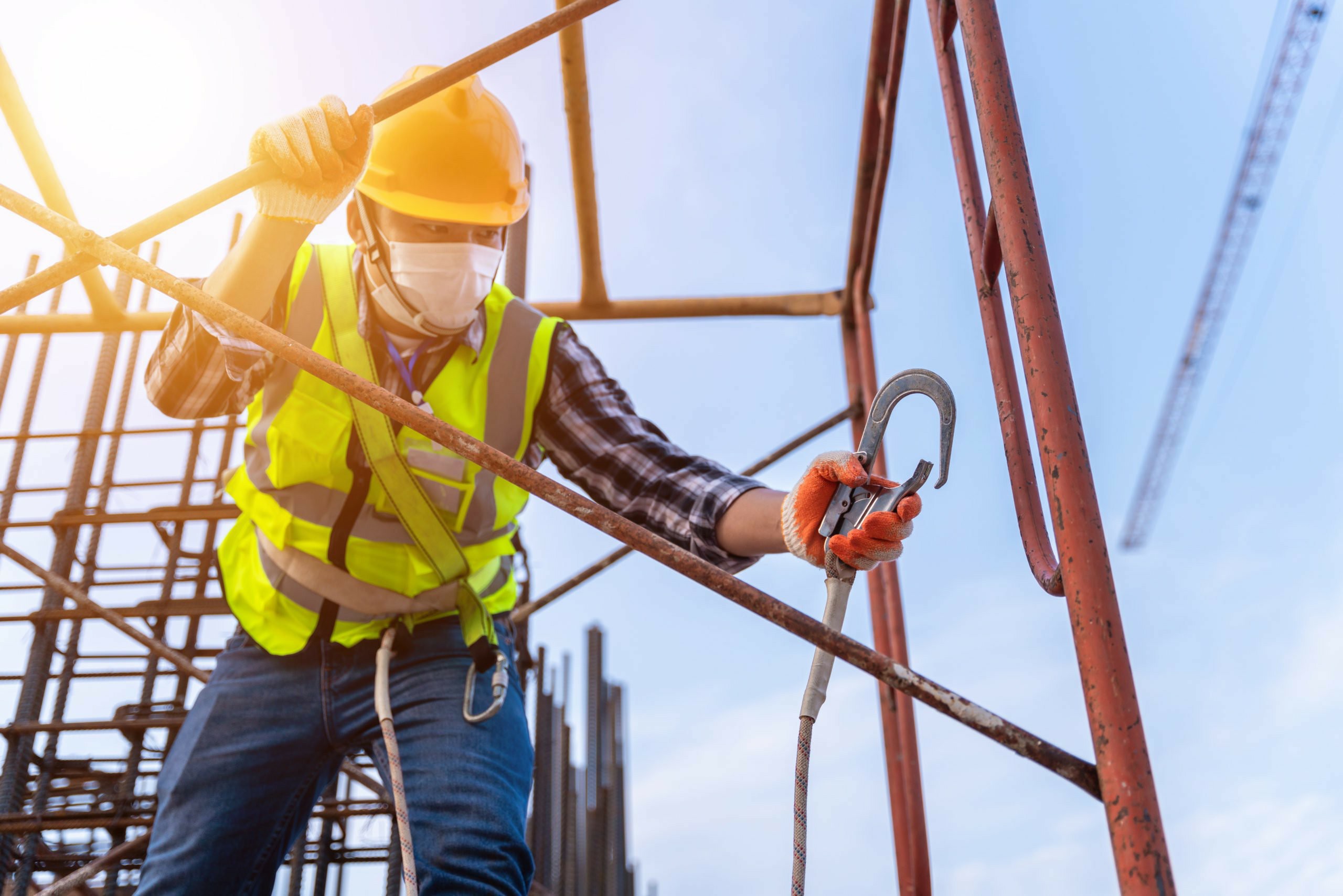
- Fall Protection Equipment: The worker ensured that all required safety gear was in use, including harnesses, lanyards, and guardrails. He was familiar with the importance of inspecting equipment before use.
- Emergency Preparedness: The individual understood emergency protocols, including how to respond should a fall occur. This included the use of recovery systems and notifying emergency services.
On this particular day, while working on the roof, the worker noticed that the scaffolding was not properly secured. Remembering his training, he immediately halted operations and alerted his supervisor of the dangerous condition. This quick decision prevented a potential fall that could have resulted in serious injury or even death.
Impact of Training on Accident Prevention
Statistics emphasize the benefits of proper Working at Heights Training. For instance, organizations that implement proper safety training have reported:
- Up to a 60% reduction in fall incidents.
- A significant decrease in lost workdays attributed to fall-related injuries.
- Improved employee morale and confidence in safety protocols.
In this case, the proactive training led to heightened awareness among employees regarding fall risks. The subcontractor's ability to recognize unsafe conditions and take swift action to rectify them exemplifies the value of certified Working at Heights training.
Additional Safety Measures
In addition to training, compliance with safety regulations plays a critical role in accident prevention. Adherence to best practices, including:
- Regular equipment inspections
- Routine safety drills
- Continuous education and refreshers on safety policies
helps keep safety awareness at the forefront of employees' minds.
Investing in Safety: A Call to Action
Workplace safety should never be an afterthought. Companies in Dublin, Cork, and Galway are encouraged to invest in Working at Heights Certification to protect their workers and reduce the likelihood of accidents. Effective training programs lead to better awareness, safer work environments, and ultimately save organizations from costly litigation and compensation claims.
For those looking to provide their teams with essential skills and knowledge, consider enrolling in a Working at Heights Course Online. Every employee deserves a safe work environment, and your investment in their safety is pivotal.
Conclusion
Accidents due to falls from heights are largely preventable when organizations prioritize safety through proper Working at Heights Safety Training. The case study presented illustrates that when employees are equipped with the right knowledge and tools, they can identify hazards and act to prevent potential accidents. Don't wait for an accident to occur—act now to safeguard not just your employees but your entire workplace culture.
To learn more about enhancing safety training in your organization, visit Ireland Safety Training or contact us at [email protected].