Skip to main content


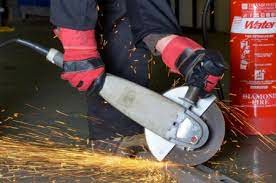
Abrasive Wheels Risks: Understanding Workplace Hazards and Safety Precautions
Working with Abrasive Wheels involves significant safety considerations that are crucial to maintaining a safe workplace. Across cities in Ireland, including Dublin, Cork, Galway, Limerick, and Waterford, the misuse or mishandling of these tools can lead to severe injuries. This guide will explore the common risks associated with Abrasive Wheels, highlight prevalent workplace hazards, and provide best practices to mitigate these dangers through effective training and proper safety equipment.
The Importance of Understanding Abrasive Wheels Risks
Abrasive Wheels are integral to various industries, including manufacturing, construction, and woodworking. However, knowing the risks involved can significantly decrease the chances of accidents. Among the top risks are:
- Wheel Breakage: Abrasive Wheels can shatter under excessive pressure or misuse, leading to flying debris that can cause severe injuries.
- Improper Usage: Incorrect mounting, excessive speed, or using the wrong type of wheel for a specific task can increase hazards.
- Lack of Personal Protective Equipment (PPE): Not wearing appropriate protective gear can elevate injury severity in case of accidents.
Common Causes of Abrasive Wheels Injuries
Understanding the common causes of injuries when working with Abrasive Wheels is essential for developing effective safety measures:
- Improper Wheel Mounting: Incorrectly mounted wheels are prone to breakage, posing serious risks to operators and bystanders.
- Speed and Control Issues: Operating an Abrasive Wheel at an unsuitable speed can lead to wheel breakage and loss of control.
- Missing or Inadequate PPE: The absence of basic protective equipment like goggles, gloves, and face shields can lead to serious injuries.
Best Practices for Mitigating Risks
Implementing best practices can significantly enhance Abrasive Wheels Workplace Safety:
1. Regular Training and Certification
Enroll in certified training programs such as the Abrasive Wheels Course Dublin or the Abrasive Wheels Safety Course Limerick to ensure that employees are up-to-date on best practices and safety guidelines.
2. Conducting Thorough Risk Assessments
Before any operation, conduct a detailed risk assessment that includes:
- Identifying potential hazards associated with ongoing tasks.
- Evaluating the adequacy of existing safety measures.
- Consulting with employees about their concerns regarding safety.
3. Using Appropriate PPE
Always use the correct personal protective equipment:
- Safety goggles to protect eyes.
- Face shields to prevent facial injuries.
- Gloves to protect hands from cuts and abrasions.
4. Regular Maintenance and Inspection
Ensure that the Abrasive Wheels and associated equipment are regularly inspected and maintained according to manufacturer guidelines to prevent failure during operation.
Real-World Case Studies
Numerous accidents have occurred due to neglecting safety measures when using Abrasive Wheels:
- In an incident in Cork, an employee suffered severe eye injuries due to a flying piece of the wheel. This incident could have been prevented with proper PPE and training.
- A workplace in Galway experienced an accident when an improperly mounted wheel shattered, resulting in hospitalization for multiple workers.
Conclusion
Ensuring the safety of employees working with Abrasive Wheels is not just about compliance but a commitment to creating a safe workplace. Consider enrolling in certified Abrasive Wheels training in Dublin, Cork, Galway, or other cities in Ireland. By prioritizing safety training, risk assessments, and proper use of PPE, businesses can vastly reduce the likelihood of accidents and injuries.
Get Started Today!
If you’re interested in enhancing workplace safety, consider our Abrasive Wheels Course to ensure that your team is equipped with the right knowledge and practices.
For more information, reach out to us at [email protected].