Skip to main content


Abrasive Wheels Risks: Ensuring Workplace Safety in Irish Cities
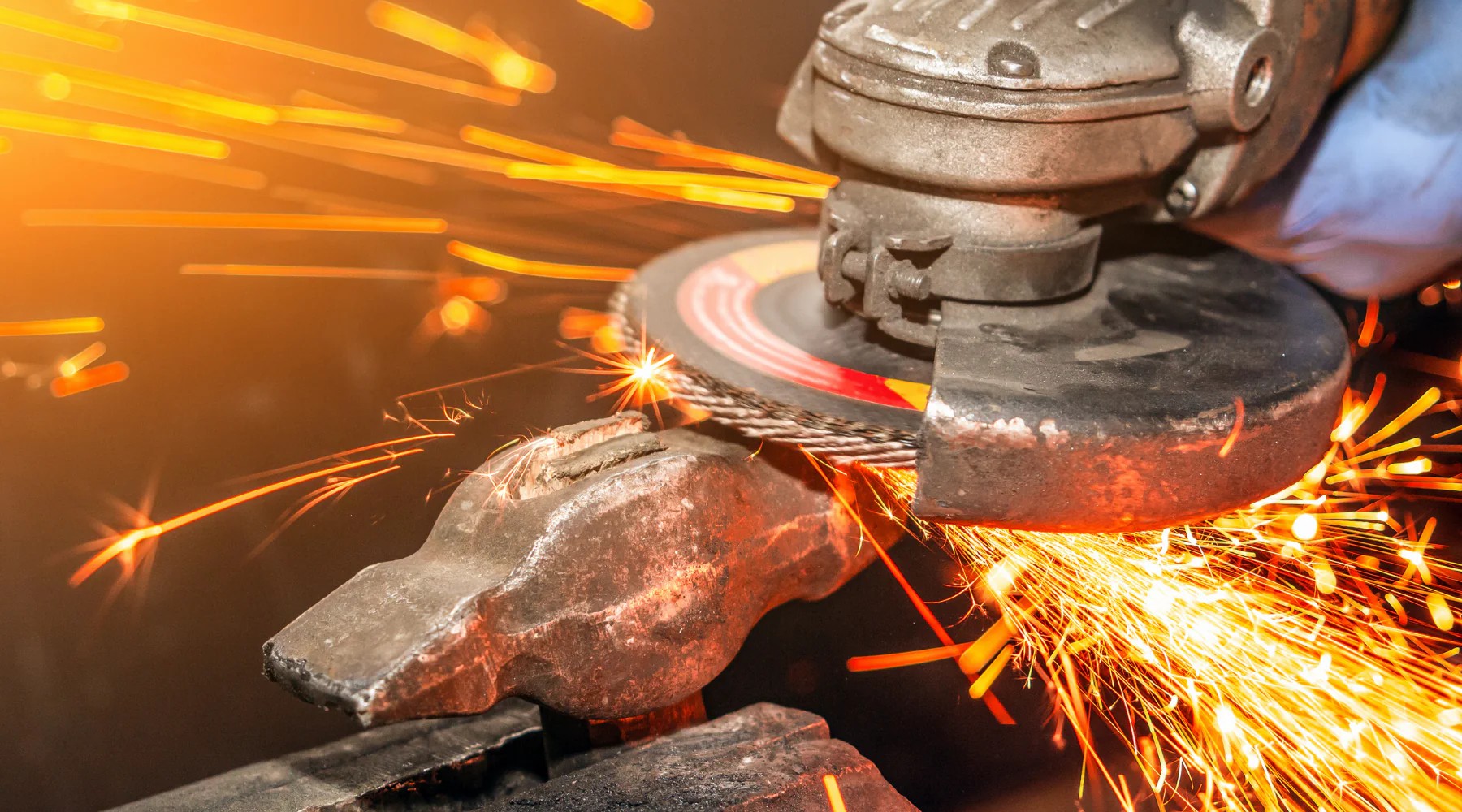
Abrasive wheels are a fundamental tool in many workplaces, especially in the metalworking and construction industries across Ireland. However, when not handled properly, they can pose significant risks. In this guide, we will explore the hazards associated with abrasive wheels, including common injuries, and best practices for safety and risk mitigation.
Understanding Abrasive Wheels
Abrasive wheels are cutting tools made of abrasive particles bonded together. They are primarily used for grinding, cutting, or polishing materials like metal and stone. While they are incredibly useful, they also come with inherent risks if not handled correctly.
Workplace Hazards of Abrasive Wheels
- Wheel Breakage: One of the most severe risks is the potential for wheel breakage which can cause flying fragments, leading to severe injuries or even fatalities.
- Improper Usage: Commonly observed issues include using incorrect speeds or mounting wheels inadequately, which can compromise the wheel's integrity.
- Lack of Personal Protective Equipment (PPE): Failing to wear appropriate PPE, such as safety glasses, gloves, and face shields, dramatically increases the risk of injury.
- Exposure to Dust: Cutting or grinding materials can produce harmful dust, resulting in respiratory issues over time.
Common Injuries Associated with Abrasive Wheels
Workers using abrasive wheels can experience various injuries, including:
- Cuts and Lacerations: Resulting from contact with abrasive surfaces or fragments.
- Eye Injuries: Particles flying into the eye can cause significant damage, making eye protection crucial.
- Noise-Induced Hearing Loss: Prolonged exposure to high noise levels from grinding operations can lead to hearing impairments.
- Respiratory Issues: Dust inhalation can lead to chronic issues if adequate ventilation and respirators are not in place.
Best Practices for Mitigating Risks
To reduce the risks associated with abrasive wheels, implement the following safety measures:
- Proper Training: Mandatory training programs, such as Abrasive Wheels Training Dublin and similar courses throughout the country, are essential for all operators.
- Regular Inspections: Conduct thorough inspections of wheels to ensure they are not damaged and are used within the manufacturer's specifications.
- PPE Usage: Always use appropriate personal protective equipment. Ensuring every worker has access to and uses PPE can significantly reduce injury risk.
- Clear Operational Guidelines: Establish and enforce clear guidelines for the safe use of abrasive wheels, including speed limits and proper mounting techniques.
The Importance of Risk Assessments
Performing regular risk assessments helps to identify potential hazards in the workplace. A risk assessment should be part of your safety management system to:
- Identify high-risk activities involving abrasive wheels.
- Review compliance with safety regulations.
- Develop targeted training programs for your staff.
Training and Compliance in Ireland
In Ireland, compliance with health and safety regulations is critical. Enrolling in certified courses, such as Abrasive Wheels Certification Ireland, is crucial for ensuring all staff are knowledgeable about the risks and safety procedures involved in using abrasive wheels.
Conclusion
By recognizing the risks associated with abrasive wheels and implementing robust safety measures, businesses in Dublin, Cork, Galway, Limerick, Waterford, and other cities can dramatically reduce workplace accidents. Proper training, consistent use of PPE, and reliable risk assessments are vital components of a successful safety culture. Prioritize safety—enroll in a certified abrasive wheels training course today!
For more information or to enroll in a course, contact us at [email protected].