Skip to main content


Understanding Ireland's Legal Framework for Working at Heights Training
In today’s fast-paced work environment, ensuring safety during working at heights is not just a regulatory requirement but a moral obligation. With the rise in construction, maintenance, and various industrial activities requiring workers to operate at elevated levels, understanding the legal requirements for Working at Heights training in Ireland is crucial for both employers and employees.
Key Regulatory Bodies: HSA and HSE
In Ireland, the primary regulatory body overseeing occupational safety and health is the Health and Safety Authority (HSA). The HSA sets the standards and develops guidelines to ensure a safe working environment across various sectors. In addition, the Health and Safety Executive (HSE) plays a pivotal role in formulating health and safety practices, especially for businesses that operate across the UK and Ireland.
Legal Requirements for Working at Heights Training
According to Irish law, any work conducted at heights—where there is a risk of falling—mandates adequate training. This includes rigorous Working at Heights training and obtaining Working at Heights certification. Employers have the responsibility to ensure that their workers are appropriately trained to identify hazards and mitigate risks associated with working at elevated levels.
Employer Responsibilities
- Risk Assessment: Employers must conduct thorough risk assessments to identify and minimize risks associated with height work.
- Training Provision: It is the employer's duty to arrange for Working at Heights training for all employees, ensuring that the training is comprehensive and meets the legal standards set by the HSA.
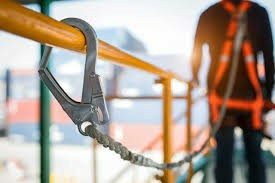
- Equipment Safety: Whenever working at heights, appropriate safety equipment must be provided and maintained, including harnesses and guard rails, alongside adequate training on their use.
- Continuous Monitoring: Employers should regularly review safety protocols and training effectiveness to ensure ongoing compliance with safety regulations.
The Importance of Compliance
Compliance with Working at Heights training regulations is not only a legal mandate but is also paramount in preventing workplace accidents. Statistically, falls from heights account for a significant portion of workplace injuries in Ireland.
Failing to comply with the legal requirements can lead to serious consequences, including:
- Fines: Non-compliance with HSA regulations can result in hefty fines for businesses.
- Legal Action: Employers may face lawsuits from injured workers, leading to further financial liabilities.
- Business Reputation: Poor safety practices can damage a company’s reputation, leading to loss of clients and contracts.
How to Ensure Compliance
To ensure compliance with Working at Heights safety laws, employers should consider the following steps:
- Choose Certified Training Providers: Enrolling employees in an accredited Working at Heights course is essential. Look for providers that offer certified Working at Heights training, with specific focus on the evolving requirements of height safety.
- Implement Safety Programs: A robust safety program should be developed that incorporates regular training refreshers and hazard assessments.
- Document Training: Keep detailed records of all training undertaken by employees, including dates, content, and certification achieved.
- Engagement with Employees: Encourage employee feedback on safety practices and training effectiveness to foster a culture of safety at the workplace.
Conclusion
In conclusion, ensuring compliance with Ireland’s Working at Heights training legal requirements is critical for protecting employees, avoiding penalties, and maintaining a trustworthy business reputation. Whether your business is located in Dublin, Cork, Galway, or anywhere else in Ireland, investing in comprehensive and certified training is a proactive step towards workplace safety.
To learn more about certified Working at Heights training, visit Ireland Safety Training or reach out via email at [email protected].