Skip to main content


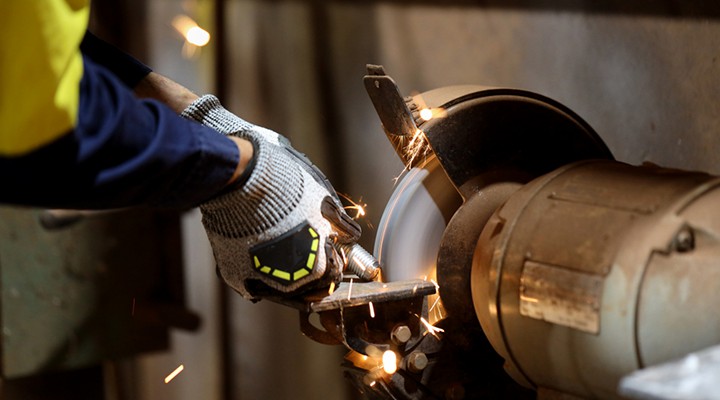
The Hidden Dangers of Abrasive Wheels: Why Safety Training is Essential
Abrasive wheels are powerful tools widely employed in various industries, from metalworking to construction. However, with their efficiency comes a range of safety risks that can lead to grave accidents if not properly managed. Understanding these risks and emphasizing Abrasive Wheels training are crucial in ensuring workplace safety.
Common Safety Risks of Abrasive Wheels
When working with abrasive wheels, several potential hazards must be addressed:
- Wheel Breakage: Abrasive wheels can shatter or break if improperly mounted or worn out, posing a significant risk of injury.
- Improper Mounting: If wheels are not securely attached, they can fly off during operation, leading to serious accidents.
- Inadequate Training: Lack of knowledge about correct usage can lead to improper handling, increasing the chance of injuries.
- Lack of Protective Equipment: Not wearing appropriate personal protective equipment (PPE) can expose workers to flying debris.
- Environmental Hazards: Operating abrasive wheels in unsafe conditions, such as wet or unstable surfaces, can lead to slips and falls.
The Importance of Abrasive Wheels Training
Proper training on the handling and operation of abrasive wheels is not merely a precaution; it is an essential investment in workplace safety. Here’s how effective training can mitigate risks:
1. Identifying Hazards
Training programs equip workers to recognize the common risks associated with abrasive wheels. By understanding potential hazards, employees can take proactive measures to avoid accidents.
2. Using Protective Equipment
A comprehensive Abrasive Wheels safety course emphasizes the importance of wearing the appropriate PPE, such as safety goggles, gloves, and face shields. This is vital for protecting workers from injuries caused by flying debris.
3. Implementing Safety Measures
Training empowers workers to follow best practices and safety protocols, ensuring the correct setup, operation, and maintenance of abrasive wheels. Regular safety audits and inspections are also part of this training.
Real-Life Case Studies: How Training Prevented Accidents
Here are some notable examples where proper training significantly mitigated risks associated with abrasive wheels:
Case Study 1: A Manufacturing Plant in Dublin
In a metal fabrication facility in Dublin, a worker suffered a serious injury when an abrasive wheel broke during operation. Fortunately, the company had implemented a robust training program. The employees were trained to inspect wheels for wear and damage before use, leading to the identification of a flawed wheel before it could cause injury.
Case Study 2: Construction Site Inspection in Galway
A construction site in Galway saw a significant reduction in injuries after conducting an intensive Abrasive Wheels certification course. Workers learned how to mount wheels properly and the safety checks they needed to perform. Over six months, the site reported no injuries related to abrasive wheel operations.
Best Practices for Safe Operation of Abrasive Wheels
To ensure enhanced safety when using abrasive wheels, organizations should implement the following best practices:
- Conduct regular equipment inspections to identify potential hazards.
- Ensure all workers are certified in Abrasive Wheels safety training.
- Provide adequate PPE and ensure it is worn at all times.
- Encourage a safety-first culture where employees feel comfortable reporting potential hazards.
- Develop and regularly review operational safety procedures and emergency responses.
Conclusion: Take Action for Safer Work Environments
The risks associated with abrasive wheels can be significantly reduced through proper training and adherence to safety protocols. For companies in Dublin, Cork, and Galway looking to enhance their workplace safety, enrolling staff in a certified abrasive wheels course is essential.
Investing in Abrasive Wheels training not only safeguards workers but also minimizes the financial impact of workplace accidents. To learn more about our quality Abrasive Wheels training programs, contact us at [email protected].
Visit our Abrasive Wheels Course for more information and to enroll today!