Skip to main content


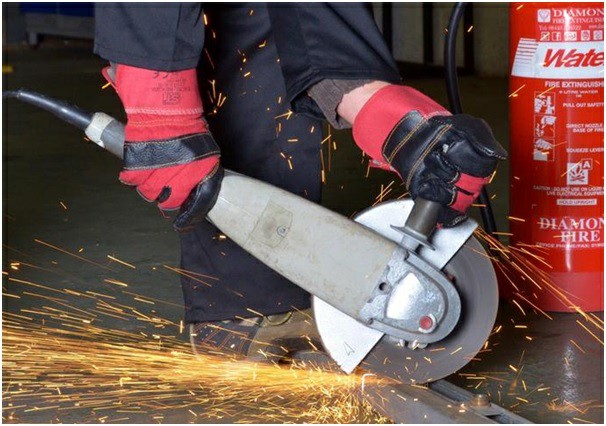
A Complete Guide to Abrasive Wheels: Types, Applications, and Safety Measures
Abrasive wheels are essential tools widely used in various industries, from construction to automotive services. Understanding the different types of abrasive wheels and their applications is crucial for ensuring workplace safety and efficiency. In this guide, we will delve into the various types of abrasive wheels, their specific uses, associated risks, and the importance of proper training and certification in Ireland.
Types of Abrasive Wheels
Abrasive wheels can be classified into several categories based on their design and intended use. Here are the primary types:
- Grinding Wheels: Used for grinding metal and other materials to achieve a smooth finish. Commonly found in workshops and manufacturing plants.
- Cutting Wheels: Designed specifically for cutting through tough materials like metal, these wheels offer precise separation without causing major distortions.
- Polishing Wheels: These wheels are used to polish surfaces to a high shine, often employing fine abrasive materials for delicate finishing work.
- Flap Discs: Consisting of multiple layers of abrasive flaps, these are perfect for blending and finishing work on various surface materials.
- Diamond Abrasive Wheels: Best suited for hard materials like concrete or stone, these wheels are durable and long-lasting, ideal for cutting or grinding tough surfaces.
Abrasive Wheels Applications
Each type of abrasive wheel has specific applications across different industries. Here’s a closer look:
- Construction: Grinding and cutting wheels are used for shaping materials like concrete, metal, and masonry.
- Automotive Industry: Mechanic workshops utilize various wheels for brake disc grinding and metal fabrication tasks.
- Manufacturing: Factories employ these wheels for precision machining and providing smooth finishes on various metal products.
- Metalworking: Shops often use abrasive wheels for welding, finishing touch-ups, and de-burring operations.
Specific Risks Associated with Abrasive Wheels
While abrasive wheels are invaluable tools, they come with specific risks:
- Wheel Breakage: Improper handling or incorrect mounting can lead to wheel shattering, posing serious injury risks.
- Overheating: Inadequate cooling during grinding can cause wheel wear and potential hazards to both the operator and workpiece.
- Improper Mounting: Failure to secure the wheel properly can lead to operational difficulties and accidents.
- Debris Inhalation: Dust particles can be hazardous if inhaled. Proper ventilation and personal protective equipment are essential.
The Importance of Training and Certification
One of the most effective methods for preventing accidents associated with abrasive wheels is through proper training:
- Abrasive Wheels Training Dublin: Comprehensive courses are available that educate employees on wheels' correct usage and safety protocols.
- Abrasive Wheels Certification Ireland: Certification ensures workers demonstrate competence in handling abrasive wheels safely and efficiently.
- Abrasive Wheels Course Cork: Many institutions offer specialized courses tailored for local industries, focusing on practical safety measures.
- Abrasive Wheels Safety Course Limerick: This course emphasizes the risks of incorrect usage and the proper safety measures to adopt in the workplace.
- Online Courses: For convenience, certified abrasive wheels training is also available online, accessible from any location in Ireland.
Conclusion
Understanding the different types of abrasive wheels, their applications, and associated risks is vital for any professional working with these tools. Prioritizing safety through proper training and certification not only ensures compliance with Irish regulations but, more importantly, saves lives. We encourage businesses and individuals across Dublin, Cork, Galway, Limerick, and Waterford to enroll in certified abrasive wheels training courses for a safer working environment.
For more information about our abrasive wheels training, visit Ireland Safety Training or contact us at [email protected].