Skip to main content


Assessing the Safety Risks of Abrasive Wheels: Training that Makes a Difference
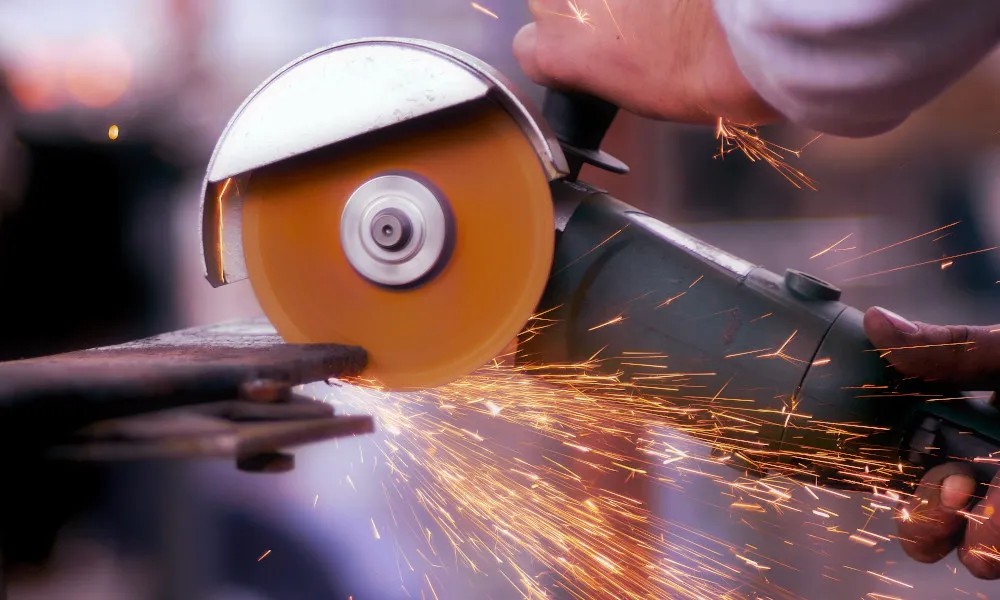
Abrasive wheels are essential tools in many industries, enabling efficient cutting, grinding, and polishing. However, these tools also come with significant safety risks if not handled properly. In this blog post, we will delve into the key safety risks associated with abrasive wheels and how proper training can prevent accidents, ultimately safeguarding workers and enhancing workplace productivity.
Common Safety Risks of Abrasive Wheels
Abrasive wheels present several hazards, which can lead to serious injuries if not properly managed. Some of the most common risks include:
- Wheel Breakage: One of the most dangerous risks is the potential for wheel breakage during operation, which can send sharp fragments flying at high speeds.
- Improper Mounting: Incorrectly mounted wheels can lead to instability and increased risk of breakage, resulting in accidents.
- Inadequate PPE: Lack of appropriate personal protective equipment can lead to severe injuries from flying debris, noise, and inhalation of hazardous dust.
- Inexperienced Operators: Workers without proper training may misuse the equipment or work without understanding safety protocols.
- Environmental Hazards: Poorly maintained workspaces or improper ventilation can increase the risks of accidents and health problems.
How Proper Training Prevents Accidents
The foundation for safe operation of abrasive wheels starts with comprehensive training. Here are some key components of effective abrasive wheels training that can mitigate risks:
- Identifying Hazards: Training programs teach workers to recognize potential hazards associated with abrasive wheels, enabling proactive risk management.
- Safe Handling Techniques: Proper methods for mounting, operating, and dismounting wheels are critical skills imparted during training courses.
- Personal Protective Equipment (PPE): Workers learn the importance of wearing appropriate PPE, including goggles, gloves, and face shields.
- Emergency Procedures: Training includes guidance on how to respond in the event of an accident, ensuring rapid and effective action can be taken.
Real-Life Case Studies: Training Saves Lives
Real-life incidents underscore the significance of training in preventing accidents related to abrasive wheels:
- Case Study 1: In a manufacturing facility, an operator sustained injuries when an abrasive wheel shattered due to improper mounting. After implementing a certified abrasive wheels training program, the facility reported zero incidents related to wheel misuse over the ensuing year.
- Case Study 2: A construction company implemented an abrasive wheels safety course for its employees. Shortly after, they experienced a noticeable decrease in workplace injuries, illustrating how fostering a safety culture through training can protect workers.
Best Practices for Risk Mitigation
Beyond training, there are several best practices that organizations should adopt to enhance safety when using abrasive wheels:
- Conduct Regular Safety Inspections: Regular checks of equipment and workspace can help identify and rectify hazards before they lead to accidents.
- Establish a Safety Protocol: Develop clear safety protocols detailing operational procedures, emergency response, and PPE requirements.
- Foster a Safety Culture: Encourage open communication about safety between employees and management to continually improve safety practices.
- Utilize Scheduled Refresher Training: Regularly scheduled training sessions help reinforce safety knowledge and keep workers updated on best practices.
Conclusion: Invest in Safety through Abrasive Wheels Training
The safe operation of abrasive wheels is a critical aspect of maintaining a secure workplace. Investing in certified abrasive wheels training not only equips workers with the skills they need to operate safely but also fosters a culture of awareness and prevention that can significantly reduce workplace accidents.
Don’t wait for an accident to occur; take proactive steps today. Contact us at [email protected] to learn more about our Abrasive Wheels Safety Course and ensure your team is prepared for a safe working environment.